Co-Hosting Retreats: Venue Partnerships Over Property
How yoga studios can earn $20,000–$50,000 per retreat using co-hosting models that eliminate real estate risk while preserving margin and brand control.

Key Takeaways
- Retreat demand is surging: 64% of U.S. travelers planned a retreat within the next year in 2026, with 39% returning as repeat participants, creating consistent revenue opportunities for studio operators who avoid property ownership.
- Co-hosting models preserve margin: Formal co-host partnerships require studios to secure a minimum of 8 attendees but let them share profit, branding, and content instead of surrendering all revenue to third-party retreat platforms.
- Venue rental represents 40–60% of total retreat budget: All-inclusive turnkey venues bundle lodging, meals, yoga space, and staff into predictable per-person rates, eliminating cost surprises that sink first-time retreat leaders.
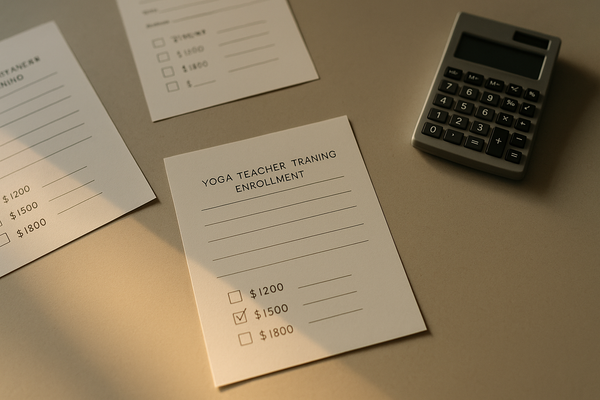
- A single 5-day retreat can generate $20,000–$50,000: With average ticket prices of $1,500 per guest, a 20-person retreat grosses $30,000, making retreats one of the highest-margin revenue streams for studios with existing student bases.
- Marketplace infrastructure removes friction: Platforms like RetreatHub and Experience Retreats connect retreat leaders directly to purpose-built venues with no booking commissions, lowering execution risk for first-time hosts.
- Scaling too fast after a first retreat leads to losses: Studios that jump immediately to larger or international properties often underestimate hidden costs and marketing complexity, making domestic nature venues the safest entry point.
Why Co-Hosting Retreats Makes Sense in 2026
The wellness retreat market is projected to grow from $273.15 billion in 2026 to $398.99 billion by 2030, driven by demand for mental health and nervous system reset experiences. Among travelers interested in yoga retreats, 56% cite improving mental health and wellbeing as their primary motivation in the next 12 months.
For U.S. yoga studios, this represents a lucrative revenue stream that does not require property acquisition. A yoga studio owner can earn $20,000–$50,000 from a single retreat, yet many studios have historically outsourced retreats to full-service providers who capture the majority of profit. The co-hosting model—renting venues instead of buying property—offers a practical middle path between full DIY execution and surrendering margin to third parties.
Three Co-Hosting Models for Studio Operators
Full DIY Rental (Retreat Leader Model)
A yoga instructor or studio rents a venue, markets to their own audience, and hosts their own participants. This model requires no permanent infrastructure and allows studios to test retreat offerings with lower capital commitment. RetreatHub connects yoga teachers directly to venues with no booking commission—only a single yearly fee with all enquiries, bookings, and payments going directly to the retreat leader.
All-Inclusive Turnkey Venues
Studios pay one per-person or whole-property rate that bundles lodging, meals, yoga space, and staff. Most first-time hosts come out ahead with an all-inclusive venue because the surprises are baked out of the price. Purpose-built properties like Raven's Retreat Hocking Hills in Ohio provide a 58-acre private nature preserve with a dedicated indoor Shala, a 24-by-24-foot elevated forest yoga platform, and forest meditation zones—all built for retreat use, with yoga mats, blocks, planning support, and coordination of add-on experiences included.
Formal Co-Host Partnerships
Santosha offers a Co-Host Model where studios share profit, branding, and content in collaboration with the platform in exchange for securing a minimum of 8 attendees. This represents a middle ground between full outsourcing and 100% margin capture—studios retain control of branding and participant experience while venues reduce execution risk. For teachers seeking lower-risk entry, Santosha's Co-Teach Model invites instructors to teach 4–7 classes during a weeklong retreat in exchange for complimentary accommodations, with no upfront marketing or financial liability.
Unit Economics: What a Realistic Retreat Looks Like
If your average 5-day retreat ticket sells for $1,500 per guest and you project hosting 200 guests in the first year, your gross revenue projection should exceed $300,000. For a single 20-person retreat at $1,500 per ticket, gross revenue reaches $30,000.
Venue rental typically constitutes your single biggest expense—40–60% of your total budget. Studios must also account for fixed costs including travel and marketing, variable costs such as per-person food and local excursions, and professional compensation for months of planning and 24/7 on-site availability. One of the most common mistakes beginners make is underestimating hidden costs. DIY bare-villa rentals carry lower headline rent but require studios to separately hire caterers, drivers, and cleaners—and absorb the risk if costs run over.
Platform and Venue Landscape
Experience Retreats is a curated directory of yoga retreat venues available for exclusive hire by retreat leaders, yoga teachers, and wellness event organizers. The platform is not a retreat booking service for participants—it connects retreat leaders directly with venue owners for venue rental and event hosting.
Purpose-built venues let studios focus on programming rather than patching together logistics. Properties designed specifically for retreats eliminate coordination friction around yoga space, accommodation quality, meal preparation, and add-on wellness experiences. For first-time retreat leaders, domestic locations with nature-rich settings, included meals, and private-room options have stronger booking evidence than generic properties.
Marketing Reality Check: Where First Bookings Come From
Gen Z retreat discovery is led by Instagram (55%), TikTok (52%), and YouTube (42%) per BookRetreats' 2026 data. However, for most instructors, the first bookings come from people who already know them. The best place to start is your existing community—students already know your teaching style and trust you.
Studios can propose partnerships where both parties benefit—for instance, offering partner yoga studios free slots for their teachers at your retreat in exchange for promoting the event in their newsletter and social media platforms. Cross-promotion with complementary wellness brands extends reach without requiring paid advertising budgets that first-time retreat hosts rarely have.
Scaling Traps: Why Retreat Two Often Fails
Scaling too fast after a first retreat is how most instructors end up with a second retreat that loses money or never happens at all. Studios that jump immediately to larger capacity or international destinations often underestimate hidden costs, visa and travel complexity, and the extended marketing timelines required to fill spots.
Domestic nature-rich destinations reduce complexity significantly. Studios should vet venues before committing by visiting in person, reviewing contracts for hidden fees, and confirming meal quality and accommodation standards match marketing materials. Building a repeatable playbook with one domestic venue before expanding internationally protects margin and reputation.
What This Means for Studio Operators
Editorial analysis, not reported fact:
Studios with 50 or more active students have sufficient audience to fill a 12–20 person retreat without paid acquisition. The co-hosting model lets you test retreat revenue without real estate risk, but success depends on pricing that covers venue rental, hidden variable costs, and your own professional compensation. Start with an all-inclusive turnkey venue to remove cost surprises, market first to your existing student base, and resist the temptation to scale before you have a repeatable playbook.
For studios nervous about upfront financial commitment, co-teaching arrangements provide retreat experience and student testimonials without marketing liability. Once you have led three co-taught retreats, you will understand participant expectations, venue quality markers, and the operational complexity required to host independently. Gen X remains the leading demographic with the highest repeat rate, making this audience particularly valuable for studios building annual retreat calendars.
Sources & Further Reading
- BookRetreats State of Retreats Report 2026, comprehensive data on retreat demand, demographics, and discovery channels
- Raven's Retreat Hocking Hills: Yoga Retreat Business Guide, unit economics and pricing guidance for first-time hosts
- Santosha Co-Host and Co-Teach Models, structured partnership options for studios seeking shared-risk arrangements
- RetreatHub, commission-free marketplace connecting retreat leaders to venues
- Experience Retreats, curated directory of yoga retreat venues for exclusive hire
- Still Salty Escape: Cost Breakdown for Hosting a Yoga Retreat, detailed budget components and hidden costs
- Mixto: The Art of Yoga Retreat Marketing, partnership strategies and participant acquisition
- Arhanta Yoga: How to Start a Profitable Yoga Retreat Business, market growth projections and business fundamentals
Editorial coverage of publicly reported industry developments. Yoga Studio Insider has no commercial relationship with any companies named.