Ashtanga Yoga Teacher Training: The Traditional Track
Understanding authorization vs. certification, Mysore methodology, and US training options in the post-Sharath Jois era for studio operators and instructors.
Key Takeaways
- Two parallel credential tracks exist: Yoga Alliance's 200-hour RYT certification provides broad teaching recognition, while official Ashtanga authorization through the K.P. Jois Ashtanga Yoga Institute in Mysore, India represents lineage-based approval to teach specific series levels.
- Sharath Jois's November 2024 death marks a critical transition moment for the traditional lineage; practitioners can still pursue authorization through his family at KPJAYI, though questions remain about future lineage holders.
- Traditional teaching requires mastering Mysore-style instruction, not just leading counted classes; this means holding space for self-paced practice with individualized guidance, which is how Ashtanga was always taught in its original context.
- The primary series foundation consists of 49 poses and 35 vinyasas taught through the tristhana method (ujjayi breath, drishti gazing points, and bandha locks) and precise vinyasa krama counting that distinguishes authentic Ashtanga from generic flow yoga.
- US-based training programs like those at Ashtanga Yoga Phoenix offer 200-hour and 300-hour certifications over 8-12 months, with curricula covering Sanskrit counting, adjustment techniques, and traditional teaching methodology.
Understanding the Authorization vs. Certification Divide
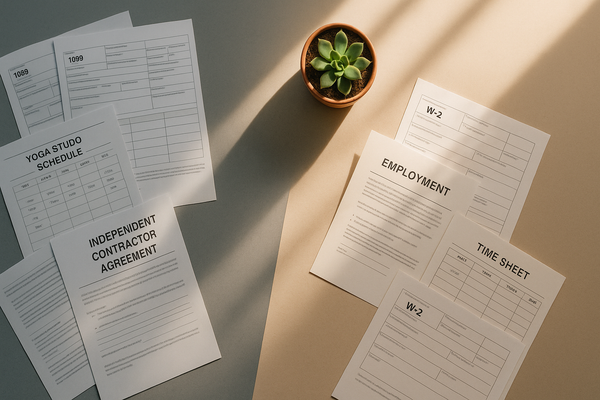
American yoga teachers face a unique credentialing landscape when pursuing Ashtanga training. Yoga Alliance USA requires a minimum of 200 hours of study to register as an RYT, providing the baseline credential most studios recognize for hiring. However, this differs fundamentally from official Ashtanga authorization.
The strictest traditional path requires studying under teachers at the K.P. Jois Ashtanga Yoga Institute in Mysore, India. Authorization occurs through a rigorous, multi-year process involving multiple trips to India. Level 1 authorization permits teaching only the primary series, while Level 2 extends permission to both primary and intermediate series. This creates two parallel tracks: institutional authorization from the Mysore lineage and Yoga Alliance registration for broader market access.
The Post-Sharath Jois Landscape
The passing of Sharath Jois in November 2024 at age 53 represents a watershed moment for the global Ashtanga community. Sharath, grandson of K. Pattabhi Jois who popularized the practice worldwide, directed the KPJAYI and conducted summer teacher courses for authorized and certified practitioners to ensure the method was taught with respect to lineage.
Practitioners can still work with Sharath's family at the KPJAYI for authorization details. Some teachers argue that while traditionally one holder of the Ashtanga lineage exists, multiple holders and aspects of practice should be explored by serious students searching for authentic transmission. This transition period creates uncertainty for US instructors weighing whether to pursue Mysore-based authorization or focus on domestic certification pathways.
The Technical Foundation: Primary Series and Vinyasa Krama
The first step to becoming an Ashtanga yoga teacher is learning the primary series, a set sequence of 49 poses and 35 vinyasas. Training typically covers over 70 asanas linked sequentially by vinyasa, or breath-initiated movements between postures. The timeline for mastery varies widely: some students memorize the sequence within a few classes, while others require months of dedicated practice.
The most significant aspect of the Ashtanga vinyasa tradition is its vinyasa krama, with a specific count for every asana. The traditional counting system assigns a number to each breath in each vinyasa. Teaching with the count is how the method was originally transmitted and distinguishes authentic Ashtanga teaching from generic flow yoga.
The Tristhana Method
All Ashtanga practice uses the tristhana method: three places of attention consisting of ujjayi pranayama (victorious breath), drishti (specific gazing points for each pose), and bandha (internal locks). Together these create a moving meditation that quiets mental fluctuations. Traditional teacher training curricula study every pose in depth, covering the Sanskrit name, English name, vinyasa count, correct entering and exiting method, drishti, key alignment points, common mistakes, adjustment technique, and contraindications.
Mysore Style: The Traditional Teaching Format
Mysore-style is how Ashtanga was always taught in the traditional context; the led class format developed later for Western studio settings. Both formats are valid, but a qualified Ashtanga teacher needs to hold a Mysore room, not just call poses in a led class.
In Mysore-style self-paced practice, students memorize the Ashtanga sequence and practice at their own pace while the teacher provides individualized guidance, adjustments, and assistance. This requires teachers to develop room management skills, the ability to observe multiple students simultaneously, and discernment about when to offer hands-on adjustments versus verbal cues. The traditional Gurukula model involves students coming to the teacher, practicing daily, and learning through direct transmission rather than a classroom curriculum.
US-Based Training Options and Structure
Domestic programs offer alternatives to traveling to India for initial certification. Ashtanga Yoga Phoenix offers 200-hour and 300-hour training with open enrollment spanning 8-12 months, recommending students have six months of yoga experience prior to starting. Accommodations are available for non-Phoenix residents.
Some schools like Yoga Futura teach traditional Sanskrit names and counts of the primary series following the lineage of Sharath Jois. Traditional programs like those at Samyak Yoga focus on Yoga Chikitsa in the tradition of Sri K. Pattabhi Jois, with curricula typically beginning with detailed instruction of the primary series in the first two weeks, continuing with Mysore style in the third week, and concluding with trainees teaching the primary series to prepare for independent instruction.
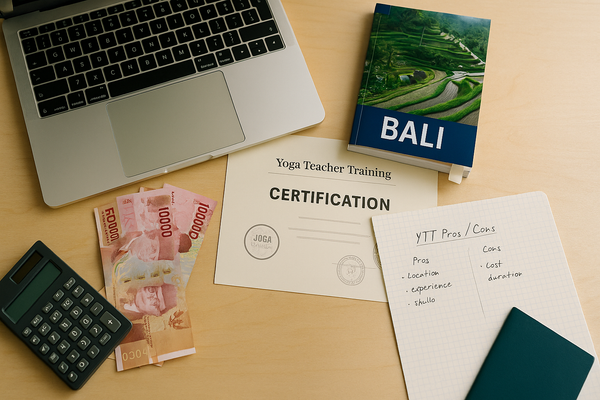
Most programs are designed for completion in 4-12 weeks for full-time students, with part-time options available. Breath control and meditation practice are key components, with pranayama techniques such as ujjayi and nadi shodhana integrated into teaching methodology. Cost varies significantly by location: 24-day 200-hour programs in India range from $1,200 to $1,350 USD depending on accommodation, while US-based programs typically command higher tuition.
Ashtanga as Foundation for Vinyasa Teaching
The structural distinction between Ashtanga and Vinyasa has implications for training pathways. Ashtanga follows a fixed sequence performed in the same order every class, while Vinyasa is creative and flowing with sequences changing each class. Many experienced teachers recommend learning Ashtanga first: modern Vinyasa yoga evolved from Ashtanga, taking its principles of breath-movement connection and flowing transitions while adding creative freedom in sequencing.
This evolutionary relationship means Ashtanga training provides strong technical foundations for teachers who later want to teach Vinyasa formats, but the reverse is not necessarily true. Understanding the original fixed sequences gives teachers the anatomical and energetic logic that underpins effective creative sequencing.
What This Means for Studio Operators
Editorial analysis, not reported fact:
Studio owners hiring Ashtanga teachers should understand that a 200-hour Yoga Alliance certification does not automatically indicate proficiency in traditional Ashtanga methodology. Ask prospective instructors whether they can hold Mysore-style space, not just lead counted classes. Inquire about their understanding of vinyasa krama and whether they teach with the traditional Sanskrit counting system. Teachers trained in Vinyasa formats may not possess the technical specificity required for authentic Ashtanga instruction.
For studios considering adding Ashtanga programming, the Mysore-style format requires a different business model than drop-in led classes. Mysore rooms typically run for two to three hours with students arriving and departing at different times based on their practice length. This affects scheduling, pricing structures, and space utilization compared to conventional 60- or 75-minute class blocks.
The transition period following Sharath Jois's death creates opportunity for thoughtful positioning. Studios that invest in teachers with legitimate lineage connections and deep technical training can differentiate themselves in markets saturated with generic "power yoga" offerings. The key is ensuring your Ashtanga instructors can articulate both their training lineage and their understanding of traditional teaching methodology.
Sources & Further Reading
- Samyak Yoga Ashtanga Teacher Training, traditional 200-hour program focused on Yoga Chikitsa
- Online Yoga School: How to Get Ashtanga Certification, overview of credential pathways
- R. Sharath Jois Wikipedia entry, biographical information and lineage context
- Ashtanga Yoga Phoenix Teacher Training, US-based 200-hour and 300-hour programs
- Yoga Sequencing: Ashtanga Primary Series Teacher's Guide, technical breakdown of vinyasa krama
- Online Yoga School: What is the Primary Series, foundational practice structure
- Yoga Futura Teacher Training, traditional Sanskrit counting methodology
- Mantra Yoga: Ashtanga vs. Vinyasa comparison, structural distinctions between styles
Editorial coverage of publicly reported industry developments. Yoga Studio Insider has no commercial relationship with any companies named.