Yoga + Strength Training Fusion: The Authenticity Paradox
How studios are balancing market demand for strength-focused classes with yoga's philosophical foundations as 42.3% of clients now prioritize getting stronger.
Key Takeaways
- Strength training has overtaken weight loss as the top fitness goal, with 42.3% of respondents identifying getting physically stronger as their primary health goal for 2026, driving yoga studios to add weights-based class variants.
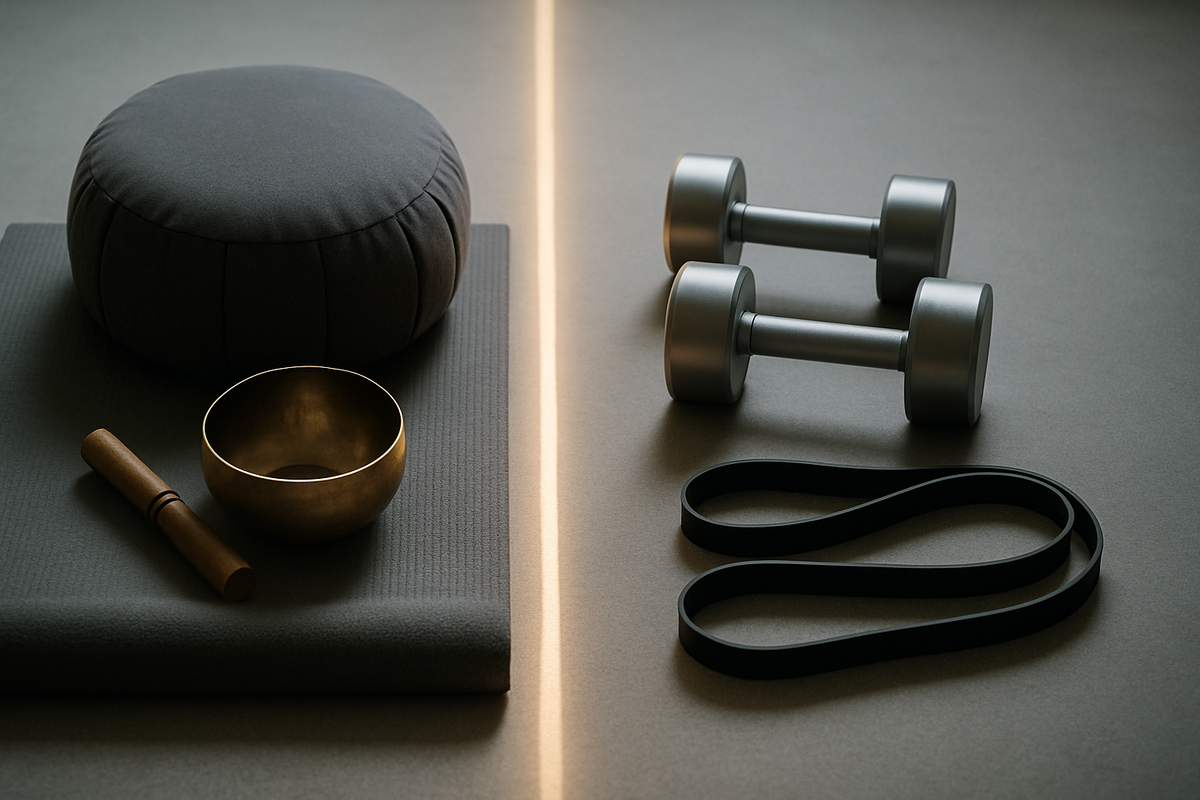
- Hybrid yoga-strength formats now represent 41% of new class offerings, with major chains like CorePower Yoga (220+ locations) and YogaSix leading adoption through sculpt classes that blend dumbbells, bands, and vinyasa flows.
- Functional movement patterns like squatting, pulling, and hinging rarely appear in traditional yoga sequences, creating an opportunity gap for studios that integrate mobility work and resistance training to serve athletes and longevity-focused clients.
- Studios offering hybrid in-person and digital strength-yoga classes report 30-40% higher revenue per client, as online programming adds low-overhead income streams while broadening market reach beyond local zip codes.
- The longevity movement has shifted client priorities from aesthetics to functional aging, with NASM's 2026 trends report identifying healthy aging as the fastest-growing client goal, favoring joint-friendly progressive stimulus over maximum loads.
- Authenticity debates persist within the teaching community, as traditionalists question whether integrating dumbbells and functional drills dilutes yoga's philosophical foundations, even as consumer demand continues rising.
Why Strength Training Now Dominates Studio Programming Decisions
For the first time in tracked fitness trends, getting physically stronger has overtaken weight loss as the primary health goal, with 42.3% of respondents in 2026 prioritizing strength development. This seismic shift affects yoga studios directly: even traditional studios are introducing strength-focused class variants to capture members who previously split time between yoga spaces and conventional gyms.
The business case is compelling. Boutique studios now account for roughly 42% of total U.S. fitness industry revenue despite representing only about 25% of total memberships, demonstrating the pricing power of specialized programming. Studios that successfully bridge yoga and strength training can command premium rates while serving broader demographics.
According to the CorePower acquisition reported by Franchise Times, the chain operates over 220 locations nationwide, anchoring its growth on hybrid classes like Yoga Sculpt and StrengthX that layer dumbbells, bands, and bodyweight exercises onto vinyasa foundations. YogaSix's Y6 Sculpt format similarly blends weight training with heated practice rooms, explicitly marketing the combination as cross-training that challenges muscular endurance and cardiovascular thresholds simultaneously.
How Major Studios Are Building Hybrid Class Formats
CorePower Yoga developed Hot Power Fusion approximately five years ago, eliminating chaturangas entirely to create a beginner-friendly and shoulder-safe alternative that combines hot yoga and power vinyasa elements. These classes have become among the chain's most popular offerings, demonstrating that accessibility matters as much as intensity when designing fusion formats.
SPENGA takes consolidation further by compressing three boutique modalities into a single 60-minute session: Spin, Strength, and Yoga. This addresses "gym-stacking" behavior, where consumers previously held multiple memberships to meet different fitness needs. By offering variety under one roof and one payment, SPENGA captures members who want efficiency without sacrificing training diversity.
The common thread across successful hybrids is intentional programming rather than haphazard blending. Instructors must understand load progressions, joint contraindications, and cueing differences between asana transitions and resistance movements. Specialized certifications like Certified Functional Strength Instructor credentials have emerged to fill this training gap, qualifying teachers to lead group strength classes and signature formats that blend dynamic yoga, functional strength, and stretching within a single session.
Functional Movement as the Philosophical Bridge
The integration tension eases when studios frame strength work as functional movement rather than bodybuilding. Classes that incorporate mobility drills, joint preparation, and controlled resistance appeal especially to athletes and weightlifters who use yoga to recover from heavy loads, improve joint health, and maintain usable ranges of motion.
Functional movement patterns like squatting, pulling, carrying, and hinging rarely appear consistently in traditional yoga sequences, yet these patterns directly address the real-world movement needs clients express when they say, "I just want to move and feel better in my life." Resistance-based yoga formats bridge this gap for people who want the mental and restorative benefits of yoga alongside strength development, attracting fitness-focused members who are not looking to replace their lifting but to support it with smarter movement and recovery.
Denis Morton, a Peloton instructor, notes that vinyasa flows and power flows build strength far more efficiently than restorative and yin styles, which focus almost entirely on mobility and flexibility. This distinction helps studios segment programming clearly: strength-yoga hybrids serve one client goal, while traditional formats serve another, and both can coexist without philosophical contradiction if marketed transparently.
The Longevity Movement Reshapes Client Priorities
NASM's 2026 trends report identifies healthy aging and longevity as the fastest-growing client goals, outpacing traditional physique motivations. Members no longer prioritize how they look but how they function and feel over the long term. This shift favors yoga-strength hybrids that emphasize joint-friendly progressive stimulus over maximum loads.
The heaviest lifts are giving way to resistance bands, squeeze contractions, metabolic chains, and other tools that challenge muscles without compromising connective tissue. For weightlifters and gym-goers, yoga strengthens ligaments, tendons, and connective tissue, which helps joints move more freely and lowers the risk of injury during intense training sessions. Studios that position their hybrid offerings as longevity training rather than fitness fads align with this demographic evolution.
Retention data supports this approach. Studies reveal that people who join group classes such as yoga are 20-30% more likely to renew their memberships, and yoga specifically can boost retention rates by 10-25%. Hybrid formats expand the addressable market without cannibalizing traditional class attendance, as different formats serve different client needs within the same membership base.
Revenue Models and Business Case for Hybrid Programming
Nearly 48% of yoga studios now focus on hybrid class models combining physical and virtual sessions. Studios offering both in-person and digital strength-yoga classes report 30-40% higher revenue per client, as online offerings add low-overhead income streams while broadening market reach beyond local zip codes.
Class attendance has climbed close to pre-COVID levels and is projected to surpass 2019 numbers, while revenue continues rising year-over-year with average class prices increasing roughly 6%. Studios today often blend revenue models to capture more customers, with a single business offering both yoga and Pilates classes plus perhaps barre or HIIT training, effectively becoming boutique fitness hybrids that broaden market appeal and even out demand fluctuations.
Equipment costs remain manageable for yoga studios adding strength components. While renovating and equipping a 1,500 square-foot Pilates studio might cost $20,000-$75,000 in leasehold improvements plus $30,000-$150,000 for apparatus, yoga-focused studios adding dumbbells, bands, and kettlebells face far lower barriers. A complete set of weights for a 20-person sculpt class typically runs $2,000-$5,000, making the format accessible even for independent studios with limited capital.
Authenticity Debates and the Traditionalist Pushback
The integration of weights into yoga remains philosophically contested. Some traditionalists critique "functional yoga" as stripping away deeper aspects of the practice, reducing an ancient discipline to another fitness modality. The debate intensifies because functional movement itself lacks a universal definition, though one classic framing is movement with "real-world carryover" that helps perform daily life tasks better.
Women continue to represent the majority of yoga practitioners, though male participation is steadily increasing, particularly in athletic and strength-focused yoga styles. This demographic shift brings new expectations: members arriving from CrossFit boxes or powerlifting gyms seek different outcomes than those drawn to meditation-focused studios. Studios must decide whether to serve both audiences with segmented programming or specialize deeply in one direction.
Standards are rising through organizations like the Yoga Certification Board, which is becoming the professional benchmark for safety and authenticity in many regions. For teachers, completing specialized certifications like Certified Functional Strength Instructor credentials signals competence in both domains, helping bridge the credibility gap when traditionalists question whether instructors understand yoga's philosophical foundations or simply layered dumbbells onto flows without deeper integration.
What This Means for Studio Owners
Editorial analysis, not reported fact:
The strength-yoga fusion trend is not a passing fad but a structural market shift driven by longevity priorities and changing client goals. Studio owners face a strategic choice: specialize deeply in traditional yoga and accept a narrower but committed audience, or expand programming to capture the 42.3% of fitness consumers now prioritizing strength development.
For owners considering hybrid formats, three implementation paths emerge. First, add standalone sculpt or strength-yoga classes taught by instructors holding both yoga and functional strength certifications, allowing traditional classes to remain unaltered while testing demand with minimal risk. Second, integrate functional movement drills into existing power or vinyasa classes gradually, introducing resistance bands or bodyweight strength progressions that complement rather than replace asana sequences. Third, launch entirely new class brands under your studio roof, creating clear separation between traditional offerings and hybrid formats to avoid alienating purist members.
Revenue models matter as much as programming. Studios already operating near capacity should consider digital hybrids that deliver 30-40% higher per-client revenue without requiring additional floor space. Record sculpt classes once, sell access as an online membership tier, and capture members who travel frequently or prefer home practice. Hybrid in-person/digital models also hedge against future disruptions by diversifying income streams beyond physical attendance.
The authenticity debate will not resolve neatly, but transparency mitigates backlash. Market your strength-yoga hybrids explicitly as functional fitness, not as traditional yoga with added weights. Hire instructors who can articulate why they integrate resistance training and how it serves specific client goals like joint health, injury prevention, or longevity. When members understand the rationale rather than perceiving weights as a gimmick, adoption accelerates and retention follows.
Sources & Further Reading
- NASM 2026 Fitness Trends Report — data on strength training as the top health goal and longevity movement growth
- IBISWorld Yoga & Pilates Studios Market Research — market size, revenue share, and hybrid model adoption rates
- Franchise Times: CorePower Yoga Acquisition — company scale and class format details
- CorePower Yoga Class Offerings — Hot Power Fusion and hybrid class descriptions
- YogaSix Y6 Sculpt Format — branded strength-yoga hybrid class details
- SPENGA Studios — Spin, Strength, and Yoga consolidated session model
- Certified Functional Strength Instructor Training — specialized credentials for hybrid class instruction
- Yoga Certification Board — professional standards and safety benchmarks
- Peloton: Yoga for Strength — instructor perspectives on strength-building yoga styles
- Club Industry: Group Fitness Retention Data — statistics on yoga class participation and membership renewal
- Pilates Alliance: Studio Opening Costs — equipment and buildout expense comparisons
Editorial coverage of publicly reported industry developments. Yoga Studio Insider has no commercial relationship with any companies named.