Yoga-Strength Fusion: Training Gaps & Scope Uncertainty
Yoga Sculpt and hybrid formats are booming, but inconsistent instructor credentials and undefined scope-of-practice boundaries create quality-control and liability challenges for studio owners in 2026.

Key Takeaways
- Yoga-strength fusion formats are expanding market reach: Classes like Yoga Sculpt combine vinyasa flow with light weights and functional movements, attracting both traditional yogis and strength-focused fitness clients who want mindfulness and muscle-building in one session.
- Instructor certification pathways are inconsistent: Some programs require a 200-hour Yoga Alliance credential before adding weights; others allow personal trainers or group fitness instructors to teach yoga-strength fusion with no yoga background, creating quality-control variability across studios.
- Scope of practice boundaries remain unclear: Unlike Pilates or personal training, yoga has no universal scope-of-practice standard, leaving instructors uncertain whether incorporating weights, cueing hypertrophy-focused progressions, or using functional-movement language crosses professional lines.
- CorePower Yoga operates 220+ locations nationwide with proprietary Yoga Sculpt and StrengthX formats, setting the standard for scaled hybrid programming but using a 50-hour certification and audition model separate from Yoga Alliance pathways.
- Studio profit margins hinge on differentiation: Yoga studios report the lowest margins in boutique fitness, with nearly half operating below 10%; fusion formats can drive revenue only when paired with rigorous instructor training and community-building that justifies premium pricing.
Why Yoga-Strength Fusion Is Gaining Momentum in Mid-2026
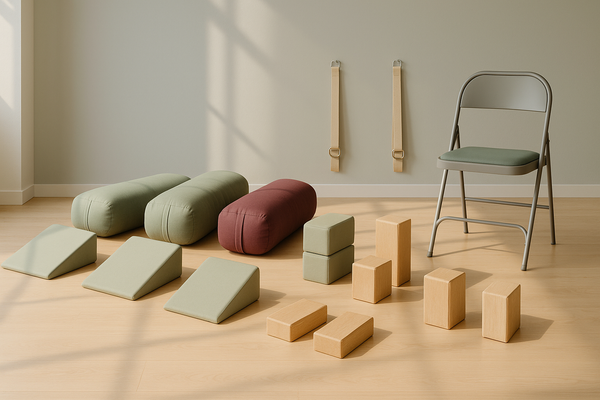
The boundary between yoga, Pilates, strength training, and HIIT continues to blur as studios chase a broader addressable market. Yoga Sculpt, which layers light hand weights and cardio intervals onto vinyasa sequencing, has become one of the most accessible hybrid formats, attracting dedicated yogis looking to build muscle alongside fitness enthusiasts seeking flexibility and balance.
CorePower Yoga, with over 220 locations nationwide, has operationalized this model at scale through signature classes like Yoga Sculpt and CorePower StrengthX. Independent studios from Maryland to California are following suit, offering Pilates fusion, barre-yoga mashups, and strength-yoga flows that promise both mindfulness and measurable strength gains. The global fitness industry, valued at $257 billion in 2025 and growing at 5.6% annually, signals sustained demand for qualified instructors who can deliver intelligently designed hybrid experiences.
Inconsistent Instructor Certification Requirements Create Quality-Control Gaps
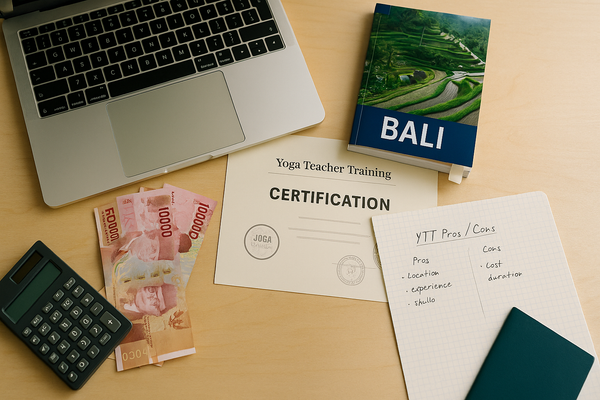
The fastest-growing friction point in mid-2026 is the lack of standardized prerequisites for teaching yoga-strength fusion. Some programs, such as ONX Studio's five-week Yoga Sculpt training (priced at $1,299), require either a 200-hour Yoga Alliance credential or a personal fitness certification. Others explicitly welcome group fitness professionals, Pilates instructors, and personal trainers with no yoga background, allowing them to teach yoga-strength classes without completing a 200-hour foundation.
CorePower's proprietary model illustrates the divide: upon completing a 50-hour training, candidates must audition to become full instructors, a quality gate that operates outside Yoga Alliance's standardized framework. Meanwhile, programs like YOGABODY Coach Certification bundle Yoga Alliance 200-hour, ACE Certified Trainer, and International Coaching Federation pathways into a single hybrid credential, appealing to instructors who want cross-disciplinary legitimacy.
The result is a patchwork landscape. A studio in College Park, Maryland, may hire a 200-hour RYT who completed a weekend sculpt intensive; the studio next door may employ a personal trainer with no yoga lineage who finished a similar program. For studio owners, this variability complicates hiring, quality assurance, and liability management.
Scope of Practice Remains Undefined, Raising Liability and Professional Boundaries Questions
Unlike Pilates or personal training, yoga has no universal scope-of-practice standard. As Yoga Alliance acknowledges, the scope for different teachers can vary widely depending on educational backgrounds. This ambiguity intensifies when instructors layer strength-training cues, hypertrophy progressions, and functional-movement terminology onto yoga classes.
Recent evidence highlights the confusion: the term "functional movement" lacks a standard definition and has been criticized in peer-reviewed literature as inherently vague. Instructors who cue exercises designed to build maximal strength or mimic technical Olympic lifts may be operating outside traditional yoga pedagogy, yet no regulatory framework clarifies where yoga teaching ends and personal training begins.
For studios offering fusion formats, this gray zone creates liability exposure. If an instructor without a personal-training credential cues barbell deadlifts or programs progressive overload for muscle hypertrophy, is the studio at risk? Conversely, can a certified personal trainer who never completed a 200-hour training ethically cue breathwork, bandhas, or yogic philosophy? The industry has yet to answer these questions with consensus.
Profit Margin Pressure Makes Differentiation Crucial
Yoga studios face the tightest economics in boutique fitness. Industry data show that even profitable yoga studios consistently report the lowest margins, with nearly half operating below 10%. Price sensitivity and the commoditization of drop-in yoga classes mean studios cannot rely on hybrid gimmicks alone to drive revenue.
Successful fusion studios differentiate on three fronts: rigorous instructor training that justifies premium pricing, community-building that reduces churn, and clear scope-of-practice policies that minimize liability. A sculpt class taught by a 500-hour RYT with an ACE personal-training certification commands higher rates and member trust than one led by an instructor whose credentials are opaque.
The on-demand video fitness market, which saw 311% growth post-COVID, also competes for the same hybrid-curious clients. Studios that blend in-person expertise, hands-on cueing for weighted movements, and personalized progressions retain members willing to pay $28 to $35 per class; those offering generic fusion formats lose clients to free YouTube sculpt flows.
What This Means for Studio Owners
Editorial analysis — not reported fact:
If you are evaluating whether to add yoga-strength fusion to your schedule, start by auditing your instructor roster's credentials and your own liability coverage. Can your current 200-hour teachers confidently cue barbell movements, progressive overload, and muscle-group targeting? If not, budget for hybrid certifications that blend yoga pedagogy with strength-training science, and verify that your general liability and professional liability policies cover resistance-training instruction.
Second, resist the temptation to hire the cheapest available instructor. The studios capturing premium pricing in mid-2026 are those that transparently communicate instructor qualifications on their websites and in class descriptions. List credentials explicitly: "Led by Jane Doe, E-RYT 500, ACE-CPT, Yoga Sculpt certified." This transparency builds trust and justifies higher per-class rates.
Third, define your own scope-of-practice policy in writing. Even if Yoga Alliance has not, you can. Specify whether instructors may cue exercises intended for hypertrophy, what weight ranges are appropriate for different class formats, and when a movement requires one-on-one form checks. This internal policy protects both your business and your teaching team, and signals professionalism to members who may be weighing your studio against CorePower or a specialized strength gym.
Finally, recognize that fusion formats are a revenue lever only when paired with retention strategies. A sculpt class that attracts new clients but lacks community-building, consistent instructor quality, or clear progression pathways will churn at the same rate as a commoditized vinyasa offering. Invest in instructor mentorship, member onboarding that explains the pedagogy behind your fusion programming, and feedback loops that allow you to iterate on sequencing, music, and cueing quality.
Sources & Further Reading
- CorePower Yoga — National chain with 220+ locations offering Yoga Sculpt and StrengthX hybrid formats
- Yoga Journal: What Is Yoga Sculpt? — Overview of the fusion format combining vinyasa flow, weights, and cardio
- ONX Studio Yoga Sculpt Teacher Training — Five-week, $1,299 certification program details and prerequisites
- YOGABODY Coach Certification — Hybrid credential bundling Yoga Alliance 200-hour, ACE Certified Trainer, and ICF pathways
- Yoga Alliance: Scope of Practice — Official acknowledgment of variability in yoga teacher scope across educational backgrounds
- IHRSA Global Report 2024 — $257 billion global fitness industry valuation and 5.6% annual growth rate
- McKinsey: The Future of the Wellness Market — Post-COVID trends including 311% growth in on-demand video fitness
Editorial coverage of publicly reported industry developments. Yoga Studio Insider has no commercial relationship with any companies named.