Yoga Props Sourcing Guide: Cork, Sustainability & Costs
Studio equipment investment ranges $2K–$7K, but material choices matter more than price. Cork blocks dominate hot yoga, while TPE sustainability claims require scrutiny.
Key Takeaways
- Yoga accessories market growth: The global yoga accessories market was valued at $3.2 billion in 2024 and is projected to reach $7.5 billion by 2033, growing at 9.8% annually, driven by increased focus on injury prevention and accessibility.
- Initial equipment investment: New studios typically allocate $2,000–$7,000 for mats, blocks, straps, bolsters, and blankets, representing a relatively small capital outlay compared to build-out and HVAC systems ($20,000–$40,000 total for props and equipment).
- Cork props dominate hot yoga formats: Cork blocks become grippier when wet and are naturally antimicrobial, making them the material of choice for heated studios in 2026, outperforming synthetic alternatives in high-sweat environments.
- TPE sustainability claims require scrutiny: TPE (thermoplastic elastomer) is marketed as eco-friendly but is petroleum-derived and recyclable only in theory, not biodegradable, creating a gap between studio brand values and actual material sourcing.
- Market concentration among established brands: Manduka, Liforme, ALTUS, and Jade Yoga collectively hold approximately 35% of global market share, with Manduka adopted by more than 10,000 studios worldwide as the commercial-grade standard.
- Offline distribution channels remain dominant: Direct studio relationships and wholesale partnerships will continue to dominate market share through 2035, meaning personal supplier relationships matter more than e-commerce convenience for commercial buyers.
Why Equipment Decisions Matter More in 2026 Than Cost Alone Suggests
Studio operators face a paradox: props and equipment represent one of the smallest capital line items in a new studio launch, yet sourcing decisions directly impact student safety, brand positioning, and operational costs over a 5–10 year equipment lifecycle. The yoga accessories market reached $3.2 billion in 2024 and is on track to hit $7.5 billion by 2033, according to Verified Market Reports, reflecting an industry-wide shift toward specialized, high-performance props.
This growth is driven by two converging forces: heightened awareness of injury prevention and accessibility needs, plus the rise of hybrid fitness formats that demand equipment rated for multiple disciplines. North America holds approximately 38% of the global market share, with established players like Lululemon and Manduka setting innovation cycles that trickle down to studio purchasing patterns.
Commercial Buying Realities: Where Studios Actually Spend
For new studio launches, initial yoga equipment investment ranges from $2,000 to $7,000 for a complete prop inventory including mats, blocks, straps, bolsters, and blankets. This figure sits within a broader $20,000–$40,000 total equipment budget that also covers sound systems and other studio infrastructure.
Hard equipment costs remain the smallest line item compared to build-out and HVAC, a critical insight for studios deciding where to allocate finite capital. For hot yoga and heated Pilates formats, HVAC and humidification systems add $25,000 to $80,000 in incremental costs plus ongoing utility expenses. Studios can reduce upfront equipment costs by up to 30% by purchasing gently used props while maintaining quality standards, according to industry cost analyses.
Material Science: Cork vs. Synthetic Props in Hot Yoga Environments
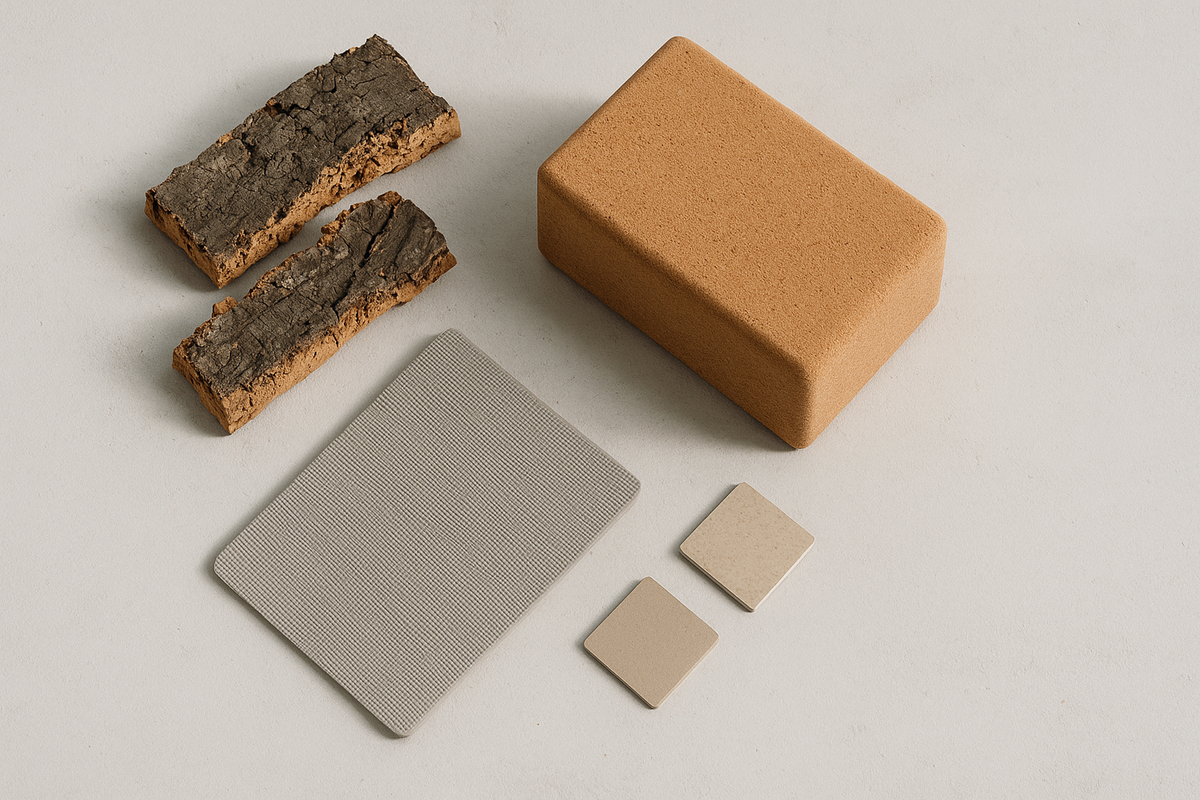
Material choice has moved from aesthetic preference to functional necessity in 2026, particularly for studios operating heated formats. Cork blocks have emerged as the preferred material for hot yoga environments because cork becomes grippier when wet, the opposite behavior of synthetic rubber. This performance characteristic, combined with cork's naturally antimicrobial properties, addresses both safety and hygiene concerns in commercial settings.
Conventional foam blocks made from EVA plastic present sustainability challenges: they can contain harmful chemicals and are not biodegradable, creating long-term environmental impact. TPE (thermoplastic elastomer) is frequently marketed as an eco-friendly alternative, but TPE is petroleum-derived and recyclable only in theory, not biodegradable, according to Coherent Market Insights. Studios making public sustainability claims should understand this distinction when selecting suppliers.
The push toward genuinely sustainable materials has driven innovation: leading manufacturers now offer props crafted from natural rubber, cork, or eco-friendly TPE alternatives, with biodegradable mats, plant-based props, and recyclable packaging becoming baseline expectations rather than premium features.
Dominant Brands and Recent Product Launches Reshaping Studio Inventories
Manduka, Liforme, ALTUS, and Jade Yoga collectively hold around 35% of the global market share, establishing clear market leaders. Manduka in particular has achieved saturation in the commercial studio segment: more than 10,000 yoga studios worldwide use Manduka's premium mats and blocks as their standard equipment.
On April 15, 2026, Manduka launched the P/ROX™ Hybrid Fitness Mat, a high-performance evolution of its PRO Series designed for "hybrid athletes" who integrate yoga, mobility, strength training, and functional fitness into single sessions. This product signals a broader industry shift: Gen Z practitioners are entering yoga through hybrid disciplines like yoga sculpt, hot Pilates, and kettlebell flow, demanding equipment tough enough for multiple modalities.
Manduka's strategic focus on sustainability drove a 20% revenue increase in 2024 through expanded eco-friendly mat lines. Meanwhile, Lululemon enhanced market share by collaborating with fitness influencers and integrating smart tech into accessories, capturing tech-savvy student segments that expect connected experiences.
Supplier Evaluation Criteria Beyond Price
Studio operators should approach wholesale sourcing with quality benchmarks that extend beyond per-unit cost. Low prices may indicate lower product quality; always test samples before placing bulk orders, according to Yoga Sourcing's wholesale buying guide. When evaluating suppliers, studios should assess materials used, durability, grip characteristics, comfort, and safety standards.
Despite the growth of e-commerce, offline distribution channels will dominate market share through 2035, meaning direct studio relationships and wholesale partnerships remain more valuable than online ordering convenience. This channel preference creates opportunities for studios to negotiate volume pricing, test sample batches, and build long-term supplier relationships that support consistent inventory quality.
Format-Specific Equipment Requirements and Restorative Yoga Growth
Different studio formats drive distinct equipment priorities. Restorative yoga has experienced significant growth over the past two years, with bolsters becoming essential rather than optional props. These cushions allow students to fully relax into supported poses without muscular effort, aligning with the accessibility and injury prevention trends driving overall market growth.
Hot yoga and hot Pilates studios face unique requirements: heated environments demand props rated for high temperatures and moisture exposure, where cork and cork-hybrid materials outperform conventional synthetics. Vinyasa and slow-flow studios operate with lower fit-out costs and mid-tier pricing, allowing more flexibility in equipment selection, while donation-based community studios must balance low capital budgets with quality standards.
Retail Merchandising as Revenue Stream
Beyond internal inventory, studios can sell high-quality yoga mats, apparel, props, and related merchandise directly to students. This retail component serves dual purposes: it provides convenience for students who prefer purchasing at the studio, and it creates an additional revenue stream that leverages existing supplier relationships and wholesale pricing advantages.
What This Means for Studio Owners
Editorial analysis — not reported fact:
The most strategic approach to equipment sourcing in 2026 starts with format clarity. Hot yoga and heated Pilates operators should prioritize cork blocks and antimicrobial materials that perform better in high-sweat environments, even at premium pricing, because student safety and equipment longevity justify the incremental cost. For restorative and slow-flow formats, bolster quality and variety directly enable class programming and accessibility promises.
Sustainability claims require material-level scrutiny. If your studio markets itself as eco-conscious, TPE props will not support that brand positioning despite common marketing language. Cork, natural rubber, and genuinely plant-based materials align brand values with actual purchasing decisions, a transparency increasingly expected by students in 2026.
Before committing to a primary supplier, request samples of every prop category you will stock: blocks, straps, bolsters, and mats. Test them in actual class conditions, particularly in heated environments if applicable. Low per-unit pricing that leads to premature replacement or student dissatisfaction creates false economy.
Finally, consider the merchandising opportunity. If you are already negotiating wholesale pricing with quality suppliers, the incremental effort to stock a small retail inventory may generate meaningful supplemental revenue while improving student convenience. Studios with strong brand alignment between their class experience and their retail offerings see the highest merchandising conversion.
Sources & Further Reading
- Verified Market Reports: Yoga Accessories Market — comprehensive market sizing and growth projections through 2033
- Coherent Market Insights: Yoga Accessories Market Analysis — sustainability trends and material innovation coverage
- Business Research Insights: Yoga Accessories Market Report — regional market share data and leading brand strategies
- Yoga Sourcing: Where to Buy Yoga Props Wholesale — supplier evaluation criteria and quality testing guidance
- Hamilton Home Fitness: Best Commercial Yoga Equipment — commercial-grade equipment standards and Manduka adoption data
- Wellyx: Yoga Studio Franchise Guide — comprehensive startup cost breakdowns including equipment and props
- Vibe Fam: How Much Does It Cost to Start a Yoga Studio — hot yoga HVAC and heated format cost analysis
Editorial coverage of publicly reported industry developments. Yoga Studio Insider has no commercial relationship with any companies named.