The Meditation Integration Gap: Why Breathwork Thrives
Breathwork searches grew 227% while meditation rose 12%. Studios earn $350M from meditation but struggle to build off-mat practice habits. How to bridge the gap.
Key Takeaways
- Breathwork is surging while meditation lags: Search interest in "breathwork" has grown 227% compared to just 12% for "guided meditation," reflecting studios' success with standalone breathwork sessions versus sustained meditation practice adoption.
- Meditation revenue remains significant but underexploited: The nation's 6,500 yoga studios generate an estimated $350 million annually from meditation classes, with 44% of studios globally offering 30-45 minute meditation-focused sessions.
- Perceived lack of time is the primary barrier: Instructors cite insufficient class time as the main challenge preventing meditation integration, creating a gap between student interest in nervous system regulation and actual off-mat practice habits.
- Nervous system positioning drives 2026 differentiation: Studios are reframing breathwork, gentle movement, and mindfulness as essential medicine for chronic stress, capitalizing on neurowellness frameworks that appeal to wellness-focused consumers and corporate B2B contracts.
- Instructor certification pathways are expanding rapidly: Training options now range from 5-minute pranayama integration modules to comprehensive 70-hour mindfulness teacher certifications counting as Yoga Alliance continuing education credits.
- Off-mat practice remains the untapped retention lever: While students leave classes calmer, few studios systematically teach breathwork and meditation as portable daily tools, missing opportunities for lifestyle brand positioning and sustained student engagement.
Why Studios Win With Breathwork But Struggle With Meditation Retention
The gap between in-class instruction and off-mat practice has become the defining challenge for yoga studios attempting to build meditation offerings in 2026. According to wellness trend analysis published this year, breathwork search interest has climbed 227% while guided meditation queries grew only 12%, revealing a stark divergence in how students engage with these complementary practices. The pattern holds operationally: most larger US studios now include breathwork sessions in their schedules, yet struggle to convert meditation moments into sustained student habits.
The commercial stakes are substantial. Industry estimates indicate the nation's approximately 6,500 yoga studios generate roughly $350 million in annual revenue from meditation classes, and roughly 44% of yoga studios globally offer meditation-focused sessions lasting 30 to 45 minutes. Studios that successfully integrate nervous system regulation practices gain access to corporate wellness contracts and position themselves as lifestyle brands rather than fitness commodities, but most remain uncertain how to bridge the instruction-to-application gap.
The Perceived Time Crunch: Real Constraint or Design Problem
Instructors consistently identify lack of time as the primary obstacle to introducing meditation in yoga classes, according to current industry surveys of teaching methods. The typical 60-minute class leaves little room for extended seated practice after warmup, flow sequences, and savasana. Yet this framing may mask a deeper structural issue: studios are designing meditation as an add-on rather than an integrated thread.
Teaching protocols exist to address the constraint. Recommended methods include beginning with breath awareness to anchor attention, adding silent pauses between poses for reflection, using guided visualization during final relaxation focused on gratitude, and encouraging post-class journaling. These techniques distribute meditation across the class architecture rather than concentrating it in a single block, but adoption remains inconsistent. The gap suggests many instructors lack confidence in structuring meditation as experiential skill-building rather than passive relaxation.
Nervous System Regulation as the New Studio Value Proposition
A growing research base published through mid-2026 documents yoga's role in regulating the autonomic nervous system through breath control, meditation, and mindful movement. This evidence base has catalyzed the rise of neurowellness, a wellness framework positioning nervous system balance as the primary health outcome. Studios are capitalizing on the shift by reframing breathwork, gentle movement, and mindfulness as essential interventions for chronic stress rather than optional relaxation practices.
The repositioning carries commercial weight. Per analysis of 2026 wellness trends, recovery practices including gentle hatha, fascial rolling, restorative yoga, sound healing, and yin classes are gaining traction as "grind culture" recedes. Sleep, breathwork, and mindfulness are increasingly recognized as performance tools rather than indulgences. Studios that embed nervous system language into class descriptions, instructor bios, and marketing materials report stronger appeal to wellness-focused consumers and improved corporate partnership prospects.
Why Breathwork Converts and Meditation Doesn't: The 3-Minute Advantage
Breathwork's market dominance stems from two factors: accessibility and measurable immediacy. Recent trend reports note that breathwork sessions as short as three to five minutes fit modern attention spans and daily routines, delivering physiological changes students can feel within a single session. Meditation, by contrast, requires sustained mental training before students experience comparable subjective benefits, creating a motivation gap that studios struggle to bridge.
The result is operational fragmentation. Most larger US studios have added standalone breathwork offerings, and traditional meditation and wellness apps are retrofitting breathwork features in response to demand. Yet few studios have developed systematic progressions that guide students from breathwork entry points toward sustained meditation practice, leaving the $350 million meditation revenue stream concentrated among a minority of specialized studios rather than distributed across the sector.
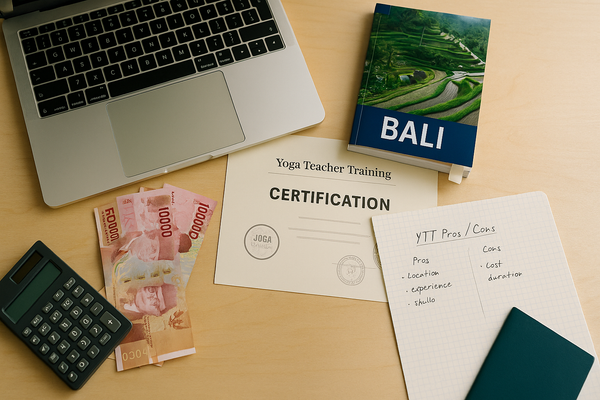
Certification Landscape: From 5-Minute Modules to 70-Hour Deep Dives
The instructor training market has responded to demand uncertainty with tiered certification pathways. Providers now offer five-, 10-, and 15-minute standalone pranayama session formats designed to integrate breathwork into daily life and asana-based classes without requiring full class restructuring. Comprehensive 50-hour pranayama teacher training programs cover philosophy, 14 types of pranayama, detailed technique breakdowns, manuals, and Yoga Alliance certification for instructors seeking specialist credentials.
At the advanced end, 70-hour mindfulness teacher training programs count as Yoga Alliance continuing education credits (YACEP), fulfilling professional development requirements while deepening teaching capacity. These programs emphasize practical business planning and course implementation, reflecting the reality that many instructors want to diversify revenue through meditation offerings but lack the operational frameworks to launch standalone programs. The training investment signals instructor appetite, but studios report uneven uptake, with many certified teachers hesitant to schedule dedicated meditation classes without guaranteed enrollment.
The Off-Mat Practice Gap: Teaching Portable Application
The retention opportunity lies in systematic off-mat skill transfer. Current teaching guidance recommends instructing students to use breath as a re-centering tool whenever they feel anxious, stressed, emotional, or overwhelmed outside class. Breathwork emphasis in typical classes leaves students calmer at checkout, but few studios explicitly teach breathwork and meditation as portable practices applicable to daily stressors, commutes, work tensions, or family conflicts.
Wellness frameworks emerging in 2026 position yoga, breathwork, meditation, time in nature, and consistent daily rhythms as central rather than marginal practices. The cultural shift creates an opening for studios to reframe class experiences as rehearsal for off-mat application rather than standalone wellness episodes. Tactical methods include offering mindfulness challenges that inspire students to practice short daily meditations, try mindful eating or walking, or complete specific breathing exercises, building consistency and extending mindfulness beyond the mat.
Community, Service, and the 2026 Studio Social Contract
A defining wellness trend for yoga teachers in 2026 is the demand for community-based, group wellness experiences rather than transactional class attendance. Nervous system-informed techniques are especially popular among younger generations, with somatic movement, trauma-informed yoga, and vagus nerve activation practices serving to address trauma and chronic stress through movement, breathwork, grounding, and sensory techniques.
The community emphasis is reshaping studio business models. Industry observers estimate that around 60% of yoga studios will integrate service projects or workshops on ethical principles within the next year, with growth in partnerships between studios and nonprofits promoting mindfulness and service. Meditation and breathwork offerings positioned as shared practices, community rituals, or collective nervous system regulation may achieve stronger adoption than individual skill-building framings, particularly when tied to social impact initiatives.
What This Means for Studio Owners
Editorial analysis, not reported fact:
The data suggests three operational priorities. First, stop treating meditation as a time-constrained add-on and redesign it as a thread woven through class architecture, using breath awareness, silent pauses, and post-pose reflection to distribute practice across the hour. This reduces instructor anxiety about "stealing" time from asana while building student familiarity with meditative states. Second, invest in instructor confidence through certification but pair training with explicit scheduling and enrollment commitments. The gap between certified teachers and launched offerings indicates studios need business frameworks, not just pedagogical skills. Consider cohort-based meditation courses, fixed-term challenges, or app-integrated home practice tracking to create accountability structures that bridge in-studio and off-mat engagement.
Third, reposition meditation and breathwork using nervous system language that appeals to 2026 wellness consumers. Frame offerings as stress medicine, performance recovery tools, or community resilience practices rather than spiritual or relaxation amenities. This positioning unlocks corporate partnership revenue, differentiates you from fitness-focused competitors, and aligns with the cultural shift recognizing breathwork and mindfulness as central rather than marginal. The studios capturing the $350 million meditation revenue opportunity are those designing systematic pathways from accessible breathwork entry points toward sustained off-mat practice, supported by community structures that make meditation a shared habit rather than an individual discipline. The certification infrastructure and student demand exist; the missing piece is intentional program design that treats meditation as a core service line rather than a scheduling afterthought.
Sources & Further Reading
- Breathwork App wellness trends analysis for 2026, covering search growth data and breathwork adoption patterns among studios
- Global Wellness Institute Science of Yoga Initiative trends report (April 2026), documenting nervous system research and studio service integration forecasts
- Vikasa analysis of 2026 wellness trends, covering recovery culture and off-mat practice frameworks
- WOD Guru yoga trends overview, including global meditation session adoption statistics
- MyYogaZone future of yoga predictions for 2026 and beyond, detailing instructor challenges and teaching methods for meditation integration
- Jason Crandell breathwork training programs, offering tiered certification pathways from 5-minute modules upward
- YogaMU integrated breathwork and pranayama facilitator training (50 hours), covering 14 pranayama types and Yoga Alliance certification
- Flow State 70-hour mindfulness teacher training, qualifying as Yoga Alliance continuing education credits (YACEP)
Editorial coverage of publicly reported industry developments. Yoga Studio Insider has no commercial relationship with any companies named.