The Hidden Costs of Yoga Teacher Training in 2026
New yoga teachers face $6,000–$10,000 in costs beyond tuition, including mandatory continuing education, insurance, and a 3–6 month income gap earning $20,000–$35,000 annually.
Key Takeaways
- Total first-year costs: New yoga teachers should budget $6,000–$10,000 beyond tuition, including Yoga Alliance registration ($115 initial), liability insurance ($120–$400 annually), CPR certification ($20–$60), and business setup expenses averaging $800.
- Continuing education mandate: Maintaining RYT-200 status requires 75 hours of continuing education every three years (45 teaching hours + 30 training hours), costing several hundred dollars per cycle and thousands over a career.
- Income gap reality: Most new teachers take 3–6 months to build consistent paid classes, earning $30–$75 per class in U.S. markets. Annual income ranges from $20,000–$35,000 in the first two years, less than half the national average salary.
- Hidden time costs: Class pay excludes preparation, commuting, promotion, and student interaction time. Teaching 12 classes weekly at $40 per class yields approximately $25,000 annually before expenses.
- Path to sustainability: Full-time viable income typically develops within 12–18 months and requires combining studio teaching with private sessions, online offerings, niche specialization, and diversified revenue streams.
The Real Price Tag: Beyond Tuition
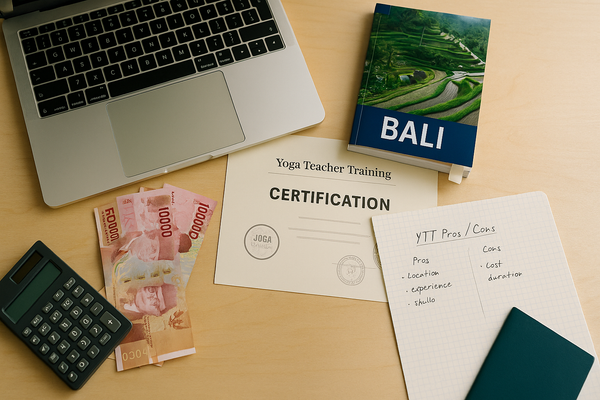
Most prospective yoga teachers focus on the headline number when researching training programs. Yoga teacher training programs range from $1,000–$5,000 with an average of about $2,000, while Yoga Alliance RYT-200 costs typically run $2,800–$5,500. But tuition represents only the starting line.
The direct training investment excludes essential costs that surface immediately after enrollment. Programs may or may not include food and accommodations during in-person stays, and travel costs to the physical site are never covered. For residential or retreat-based trainings, these expenses can add $1,000–$3,000 to the bottom line.
Then comes the professional credentialing phase. Initial Yoga Alliance registration costs $50 application fee plus $65 annual renewal dues, totaling $115 for first-year registration. While most teachers know this fee exists, it's commonly forgotten in initial budgeting. Liability insurance, which typically costs $120–$400 annually, is essential for anyone teaching outside of studio-provided coverage. Many studios also require CPR certification, which runs $20–$60 for basic CPR and AED training.
The Tax Reality Nobody Mentions
Here's an often-overlooked financial blow: your first yoga teacher training course is not tax deductible. According to tax guidance for yoga teachers, you cannot claim initial startup expenses before you're a practicing instructor. This means the full tuition cost comes from post-tax income, increasing the effective financial burden by 20–30 percent depending on your tax bracket.
The Continuing Education Treadmill
Continuing education is required every three years for RYT-200 certification: 30 hours of teaching and 45 hours of additional training. While the requirement sounds modest on paper, the cumulative financial and time burden adds up significantly. Yoga continuing education requirements cost yoga professionals thousands of dollars over a career, according to analysis by Working in Yoga.
These aren't one-time expenses. Over a 20-year teaching career, a teacher completing the minimum 75 hours every three years will complete approximately 500 hours of continuing education. At an average workshop cost of $100–$200 per day, that represents $5,000–$15,000 in direct training costs alone, not counting travel, accommodation, or lost teaching income during training days.
Editorial analysis, not reported fact: The continuing education mandate presents a structural paradox. While ongoing learning benefits teaching quality, the cost falls entirely on instructors whose per-class pay has remained largely stagnant for a decade. For teachers earning $30–$40 per class, a $300 weekend workshop represents 8–10 classes of gross income. The question increasingly raised in professional forums is whether CE requirements primarily serve teacher development or the organizations and training providers that monetize the mandate.
The Income Gap: Months Without Pay
The period between certification and sustainable teaching income represents one of the most financially painful hidden costs. Most new teachers take 3–6 months to build consistent paid teaching, making 3 months of living expenses not dependent on teaching income the most practical financial preparation a new graduate can make.
When paid work does materialize, the economics are challenging. Studio teaching pays $30–$75 per class in most U.S. markets, with starting wages of $35 at gyms or small studios and $45 at more established yoga studios. Building to 8–12 classes per week yields $1,500–$3,000 monthly before expenses.
If you teach 12 classes per week and earn $40 per class, that's $480 weekly or roughly $25,000 per year—less than half the average American salary of $59,248. Annual income ranges from $20,000–$35,000 for new teachers in their first two years, rising to $45,000–$75,000 for established teachers with diverse income streams.
The Time Cost Invisible in Per-Class Pay
Pay doesn't include any of the time spent preparing, commuting, promoting, taking additional training, or talking with students before and after class. A 60-minute class paid at $40 might represent 2–3 hours of total time investment when accounting for sequencing preparation, travel, early arrival for setup, and post-class student conversations. This effectively reduces hourly compensation to $13–$20, below livable wages in most urban markets.
A yoga certification will not immediately generate income. After training, most teachers must gain real experience, build student trust and confidence, and work consistently. The expectation-versus-reality gap here creates financial and emotional hardship for teachers who anticipated faster returns on their training investment.
Business Setup for Independent Teaching
Teachers who move beyond studio employment face another cost layer. If you plan to teach independently, expenses include a website, business insurance, payment processing, and space rental, with one teacher's first year costing about $800 for website, business cards, and portable sound system.
These costs scale with ambition. Teachers building private client practices, online course platforms, or retreat offerings face website hosting ($15–$50 monthly), email marketing tools ($20–$100 monthly), liability insurance upgrades, rental deposits for studio space, and equipment purchases. First-year independent teaching setup commonly runs $1,500–$3,000 before generating meaningful revenue.
The Path to Financial Sustainability
Full-time viable income typically develops within 12–18 months of consistent teaching after certification. The timeline assumes active networking, reliable availability, strong teaching skills, and often geographic mobility to accept classes at multiple studios.
It is much harder to make a living teaching yoga if you rely only on studio classes. The most sustainable yoga careers combine teaching skill with business training, a clear niche, online visibility, private or premium offers, and income streams not limited to one class at a time. Successful mid-career teachers typically earn from 3–5 revenue sources: studio classes, private sessions, workshops, online courses, and specialized offerings like yoga therapy or corporate wellness.
Yoga Alliance oversees intensive programs such as 200-hour and 500-hour courses, with the 500-hour advanced training representing another $3,000–$7,000 investment that many teachers pursue to access higher-paying opportunities and specialized teaching markets.
What This Means for Studio Operators
Editorial analysis, not reported fact: Studio owners who operate teacher training programs bear an ethical responsibility to communicate total cost-of-ownership, not just tuition. Transparent financial guidance should include registration fees, insurance requirements, realistic income timelines, and the continuing education burden. This transparency builds trust and produces graduates with realistic expectations who are less likely to leave teaching due to financial disillusionment.
For studios hiring teachers, understanding this financial pressure explains high turnover rates among new instructors. Teachers earning $35–$45 per class cannot sustain full-time teaching without supplemental income. Studios that offer professional development stipends, insurance coverage, or pathways to higher compensation retain experienced instructors and build stronger teaching teams.
The broken economics at entry level threaten long-term industry health. When teacher training is profitable for studios but doesn't reliably lead to sustainable teaching careers, the pipeline suffers. Studios invested in the profession's future should advocate for compensation models that reflect actual teacher time investment and provide transparent financial counseling to training program applicants.
Sources & Further Reading
- BeYogi: Estimated Costs of Yoga Teacher Training Programs, overview of tuition ranges and program types
- BookRetreats: Yoga Teacher Training Costs, comprehensive breakdown of training investment
- Brett Larkin Yoga: How Much Do Yoga Teachers Make, income data and career timelines
- DoYou: Here's How Much I Make as a Yoga Teacher in the US, first-person income analysis
- Working in Yoga: The Continuing Education Math, career-long CE cost analysis
- Yoga Journal: Yoga Teacher Income, industry compensation benchmarks
Editorial coverage of publicly reported industry developments. Yoga Studio Insider has no commercial relationship with any companies named.