The Beginner's Roadmap: Starting Your Yoga Practice in 2026
Style selection, home setup, and the four mistakes that make beginners quit within weeks. Evidence-based guidance for starting and sustaining your practice.
Key Takeaways
- Style selection for beginners: Hatha and gentle Vinyasa are the most beginner-friendly styles, emphasizing proper alignment and breath coordination. Avoid Ashtanga and hot yoga in your first month.
- Home practice frequency: Start with 20-30 minutes, three times per week, or commit to 10 minutes daily. Research shows daily short practices outperform single weekly 90-minute sessions for habit formation.
- Flexibility is a result, not a prerequisite: Many people delay starting because they "aren't flexible enough," yet studies confirm that consistent yoga practice targeting fascia significantly improves joint flexibility and muscle elasticity for beginners.
- The biggest beginner mistake: Skipping fundamentals and rushing into complex poses. Master 10 foundational poses done well rather than attempting 100 poorly.
- Early physical benefits appear quickly: Most beginners notice improved posture, better sleep, and mild muscle activation in legs and core within the first week of consistent practice.
- Retention hinges on structure: Well-structured beginner classes increase student retention by 40%, making the choice of teacher and class format critical to long-term practice.
Why Beginners Quit Within Weeks and How to Avoid It
Approximately 34.4 million people in the United States practice yoga today, representing about 10% of the population. Yet studio operators and instructors consistently report a troubling pattern in 2026: most beginners quit within weeks of starting. The culprits are confusion over style selection, unrealistic expectations shaped by social media comparison culture, and poor guidance on building a sustainable home practice.
The gap between interest and retention is widening even as tools improve. AI-guided classes, smart mats, and virtual studios have made home practice more accessible than ever, yet beginners often don't know how to navigate these options effectively. The solution lies in tactical clarity: choosing the right style, setting realistic frequency goals, and understanding that flexibility and balance are outcomes of practice, not entry requirements.
Choosing Your Starting Style: Hatha and Gentle Vinyasa Lead
The consensus among instructors and beginner-focused guidance is strong: Hatha yoga and Vinyasa yoga are considered the best styles for beginners. Hatha focuses on holding individual poses with emphasis on alignment and breathing, giving newcomers time to learn proper form without rushing. Gentle Vinyasa coordinates light movement with breath, building the foundation for more dynamic practices later.
Additional beginner-friendly options include Restorative Yoga for stress relief and recovery, and Chair Yoga for those with mobility concerns or office-based practice needs. The guiding principle is straightforward: the best yoga style is the one you'll practice consistently. Choose what feels doable and enjoyable right now; you can explore other styles later. Avoid Ashtanga and hot yoga in your first month, as both demand intensity and endurance that can overwhelm new practitioners.
The Flexibility Myth That Stops People from Starting
One of the most persistent barriers to entry is the belief that you must already be flexible to begin yoga. This misconception prevents countless people from trying the practice. In reality, research shows that yoga for flexibility beginners is the most effective way to regain lost range of motion, with consistent practice significantly improving joint flexibility and muscle elasticity by targeting the fascia.
Flexibility and balance are not requirements for starting; they are the results of staying consistent. Most beginners notice mild muscle activation, especially in legs and core, improved posture, and better sleep within the first week of regular practice. Research from Harvard Health confirms that practicing regularly can lower blood pressure, boost immune function, and improve overall mental health.
Setting Up Your Home Practice for Long-Term Success
Building a sustainable home practice in 2026 requires clarity on duration, frequency, and space. The recommendation for new practitioners is consistent: practice 20-30 minutes, three times per week for your first month. For most people, this frequency is safer and more sustainable than long, intense classes. Alternatively, studies show that 10 minutes of yoga daily is more effective than 90 minutes once per week.
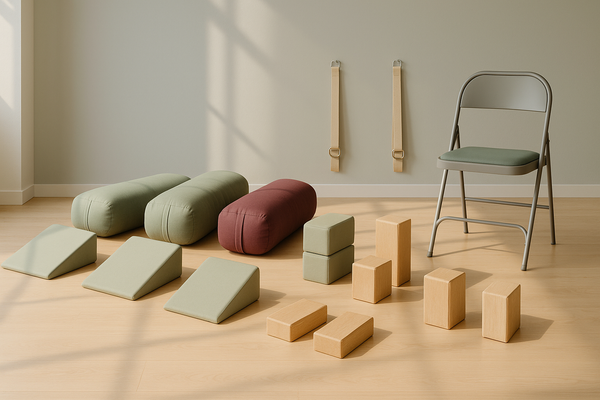
Your equipment needs are minimal to start. A quality yoga mat and comfortable clothing are essential. For beginners, yoga blocks and a bolster provide helpful support for proper alignment. Having a dedicated space with access to a wall is ideal, as walls help with balance poses during early practice.
Habit formation takes patience. Research indicates it can take anywhere from 18 to 254 days to create a new habit. Set yourself up for success by committing to practice at a specific time of day and for a realistic number of days per week. Start with achievable goals and progress as you gain momentum. As guidance emphasizes, five minutes, 15 minutes, or an hour is exactly enough if it's the right amount for your current life circumstances.
The Four Critical Mistakes Beginners Make
Understanding what to avoid is as important as knowing what to do. The four most common beginner mistakes are well-documented across instructor guidance and beginner resources.
Skipping fundamentals and rushing complexity: The biggest mistake beginners make is skipping the fundamentals. You don't need 100 poses; you need 10 done well. Mastering foundational poses with proper alignment creates the base for safe progression.
Comparison and self-doubt: The comparison trap is especially acute in 2026's Instagram-saturated yoga culture. As guidance reminds practitioners, the person on the other mat might be a former ballerina or might have been practicing for years. Pushing your body where it's not ready to go invites injury and burnout.
Poor breath control: Common breathing mistakes include holding your breath, breathing too fast, or failing to coordinate breath with movement. Proper breath work is foundational to yoga practice and must be learned alongside physical poses.
Skipping warm-ups: Warming up poses provide blood circulation and give muscles warning, reducing injury chances drastically. Never skip this preparatory phase.
Online Classes, Apps, and Virtual Studios in 2026
The landscape for beginner practice has transformed significantly. With online yoga classes for beginners, certified teachers guide you through live video sessions, while apps and YouTube channels allow practice at your own pace. Virtual teachers tailor sessions to individual comfort levels, making home practice feel as real as studio time.
Affordable equipment and small home spaces make it easier than ever to build a routine without significant financial investment. AI-guided classes and smart mats now offer personalized feedback that was previously available only through in-person instruction. The barrier to entry has dropped substantially: beginners have more options, more guidance, and fewer obstacles standing in their way.
What This Means for Studio Owners
Editorial analysis, not reported fact:
The 40% retention improvement from well-structured beginner classes represents a significant competitive advantage for studios that invest in beginner programming. In an era when home practice has never been more accessible or sophisticated, the value proposition for in-person beginner classes must center on what virtual options cannot provide: real-time correction, community building, and the confidence that comes from mastering fundamentals under expert guidance.
Studios should consider dedicated beginner tracks that explicitly address the four common mistakes, offer style-selection guidance in introductory sessions, and create peer cohorts that reduce comparison anxiety. Early touchpoints matter: learning names quickly, facilitating introductions between students, and creating small moments of connection before and after class compound into belonging over time. Community doesn't happen by accident, especially for beginners who may feel self-conscious.
The flexibility myth remains a powerful deterrent. Marketing and front-desk conversations should actively counter this misconception, emphasizing that stiffness is exactly why someone should start, not why they should wait. Instructors teaching beginner classes need training on modification offerings and prop usage to ensure every student experiences early wins within their first week.
Sources & Further Reading
- Yoga Journal's Beginner's Guide to Yoga Styles — Covers beginner-friendly styles, common mistakes, and style selection criteria
- DoYou Yoga's Guide to Starting a Yoga Practice — Evidence on daily practice frequency and habit formation timelines
- Verywell Fit's How to Start Yoga — Home setup guidance, equipment needs, and flexibility research for beginners
- StyleCraze's Common Mistakes Beginners Make in Yoga — Detailed breakdown of the four critical beginner mistakes
- Harvard Health on Yoga Benefits — Research on cardiovascular, immune, and mental health outcomes from regular practice
Editorial coverage of publicly reported industry guidance and research. Yoga Studio Insider has no commercial relationship with any companies named.