Starting Your Practice in 2026: A Beginner's Guide
How studios and instructors guide first-time practitioners in their first 30–90 days determines long-term retention. Here's what the data says works.
Key Takeaways
- Flexibility is not a prerequisite for starting yoga. The most common beginner concern is not being flexible enough, yet flexibility develops through consistent practice, not before it begins.
- Hatha and slow-flow Vinyasa are the best entry points. Beginners should start with Hatha or slower-paced Vinyasa classes that emphasize basic poses, alignment, and breath awareness; avoid Ashtanga or hot yoga in the first month.
- 20–30 minutes, three times per week is the sustainable starting frequency. This cadence allows the body to adapt safely while building consistency, which matters more than session length or intensity for first-month practitioners.
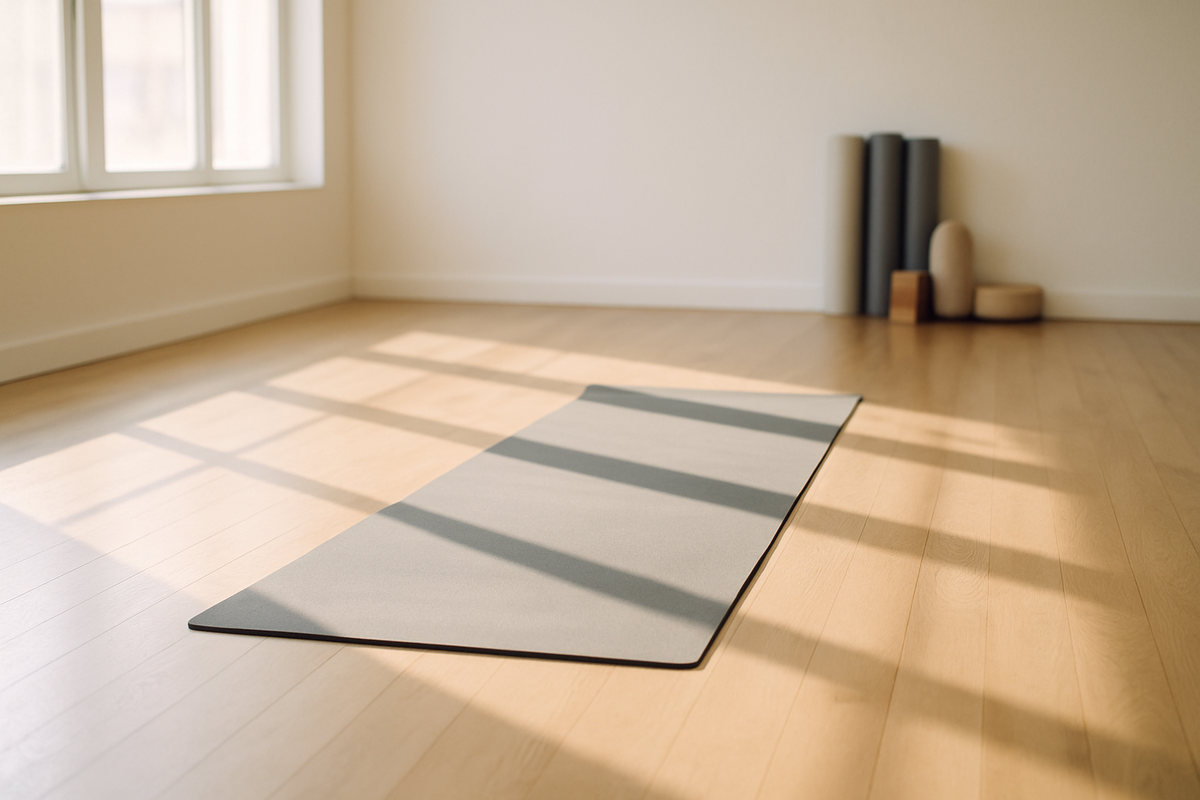
- Home practice requires minimal investment. A yoga mat, blocks, strap, and six feet by two feet of floor space create a functional practice area; household items like books and towels substitute effectively for formal props.
- Structured onboarding during the first 30–90 days determines retention. Studios with a clear onboarding process retain 87% of new clients after six months, compared to 60% without one; personal touchpoints on days 1, 3, and 10 prove statistically critical.
- Teaching beginners is harder than teaching advanced students. New movers lack coordination and become overwhelmed by multi-step cues; instructors should assign their most seasoned teachers to beginner classes and teach one action at a time.
Why Beginner Guidance Matters More in 2026 Than Ever Before
The global yoga market is projected to nearly double between 2025 and 2032, fueling a surge of first-time practitioners. At the same time, the online and yoga software segment is among the fastest-growing parts of the market, driven by hybrid access models and digital delivery. This convergence creates both opportunity and teaching complexity for US studios and instructors.
The data is clear: how studios guide newcomers in their first 30 to 90 days determines long-term retention and revenue. As of mid-2026, beginner onboarding is no longer a nice-to-have customer service layer. It is a critical revenue lever and competitive differentiator.
The Most Common Barrier Is Also the Easiest to Dismantle
The most common concern beginners express is not being flexible enough, yet flexibility is a result of consistent practice, not a prerequisite. Many would-be students are anxious about starting because they believe they lack the fitness or body type to participate. Studios that address this misconception directly in marketing, intake conversations, and first-class language see measurably higher conversion and retention.
Instructor positioning matters. Decoupling yoga from athleticism and body image in the first interaction removes the single largest psychological barrier to entry.
Which Styles Work Best for Beginners (and Which to Avoid)
There is strong consensus across experienced instructors and beginner-focused research on the hierarchy of entry points. Hatha yoga is the most widely recommended starting point because it emphasizes basic poses, slower movements, and simple breathing techniques. Beginners are advised to avoid Ashtanga or hot yoga in their first month, as both demand coordination, endurance, and heat tolerance that newcomers have not yet developed.
Vinyasa yoga is beginner-friendly when taught as slow flow; students should start with slower-paced classes to build body awareness before progressing to faster sequences. Restorative yoga emphasizes deep relaxation through passive stretching and is particularly gentle, focusing on stress reduction and mental calm. In 2026, the Superclass Yoga model has grown in popularity, combining elements from multiple disciplines into structured, beginner-focused learning experiences.
As one teacher with 22 years of experience put it, "The best is the one that works for you. There are many different paths leading toward the same aim."
Session Duration and Frequency: The 20–30 Minute, Three-Times-Per-Week Rule
For the first month, 20 to 30 minutes, three times per week, is a safer and more sustainable starting point than long, intense classes. Beginners should aim for two to three sessions per week, allowing rest days between sessions for the body to adapt. Each session can run 20 to 45 minutes depending on schedule, and consistency matters more than frequency or duration.
This cadence prevents overtraining, reduces injury risk, and builds habit formation without overwhelming new practitioners. Studios that prescribe this frequency in onboarding materials report higher adherence in weeks three through eight.
Home Practice Setup: Low Barrier, High Impact
Home practice is now mainstream. Starting yoga at home offers beginners a comfortable, judgment-free space to explore mindful movement at their own pace, allowing them to create a simple practice area, build sustainable routines, and understand foundational principles like breath awareness.
Essential Equipment (Minimal Investment Required)
Although yoga can be done on a rug or bare floor, a yoga mat is helpful because it prevents slipping and provides grip, especially in standing poses. A few basic props make practice more comfortable: a good-quality mat, blocks, straps, and a bolster or cushion. If formal props are unavailable, household substitutes work well: a stack of books replaces blocks, a towel replaces a strap, and firm pillows or rolled blankets function as bolsters.
Space and Environment
Look for floor space measuring six feet long and two feet wide, which allows the body to stretch fully. Creating an at-home yoga sanctuary does not require a large budget or renovation; with thoughtful touches, any corner can become a peaceful practice space. Think about what makes a studio feel special: soft lighting, subtle scents, peaceful sounds. These elements are easily recreated at home.
Breath and Body Awareness as the Foundation
Beginner-friendly yoga focuses on proper alignment, moving slowly with the breath, and building body awareness (proprioception) step by step. Yoga is incomplete without proper breathing exercises, also known as pranayama; for beginners, simple breathing techniques can make a big difference in energy levels and mental calmness.
Instructors who emphasize breath-to-movement synchronization in the first three sessions create a sensory anchor that carries through the student's entire practice trajectory.
Teaching Beginners: Why It Is the Hardest Class to Teach
Teaching beginners is the hardest class to teach; if running a studio, the most seasoned teacher should offer the "Basics" or "Beginner" classes. Beginner movers lack coordination. It is difficult for them to execute more than one action at a time, so instructors should teach part task, meaning teaching only one step in a complex movement pattern at a time.
While it is important to set the foundation for safe alignment, instructors should not give new students so many cues and refinements that they become overwhelmed or confused; information overload can be stressful, frustrating, and confusing. Create a supportive environment by teaching to the majority of the room (about 80% of students at a similar level), but do not ignore the remaining 20%; offer modifications and variations to accommodate both beginners and more advanced practitioners.
The Critical 30–90 Day Onboarding Window
Studios with a structured onboarding process retain 87% of new clients after six months; without one, that number drops to 60%. The gap is not about class quality. It is about whether clients feel guided, welcomed, and supported from day one.
A proven onboarding sequence includes three touchpoints: a personal welcome message from the instructor sent the day of booking; a follow-up after the first session on day three; and a check-in on day 10 acknowledging the third visit, which is statistically linked to higher long-term retention.
What This Means for Studio Owners
Editorial analysis — not reported fact:
If you are running a studio in 2026, beginner onboarding is not an administrative task. It is a revenue function. The 27-percentage-point retention gap between structured and ad hoc onboarding translates directly to lifetime value, referral rates, and class fill rates six months out.
Assign your most experienced instructor to beginner classes, not your newest hire. Script the three critical touchpoints (day 1, day 3, day 10) and automate reminders if needed, but personalize the messages. Address flexibility anxiety in intake forms, website copy, and first-class language. Create a home practice guide with household prop substitutes and 20-minute sequences for the first month.
If you teach privates or small groups, the same principles apply. The students who feel guided in their first 30 days become your most loyal clients and your best word-of-mouth marketers. The ones who feel lost or overwhelmed disappear quietly and do not return.
Sources & Further Reading
- Grand View Research: Yoga Market Size, Share & Trends Analysis Report — Market growth projections through 2032
- Allied Market Research: Yoga Software Market — Analysis of the online and digital yoga segment
- Yoga Journal: Yoga for Beginners — Common beginner concerns and style recommendations
- Healthline: The Beginner's Guide to Yoga — Session frequency, equipment, and home practice setup
- Art of Living: Yoga for Beginners — Breathing techniques and equipment basics
- Verywell Fit: Best Yoga for Beginners — Style selection and body awareness principles
- Ekhart Yoga: Yoga for Beginners — Home practice setup and restorative yoga benefits
- Yoga Journal: Teaching Beginners Yoga — Instructor-focused pedagogical strategies
- Mindbody: New Client Onboarding — Retention statistics and onboarding best practices
- Superclass Yoga — Multi-discipline beginner learning experiences
Editorial coverage of publicly reported industry developments. Yoga Studio Insider has no commercial relationship with any companies named.