How US Yoga Teachers Are Reimagining Mindfulness in 2026
Meditation use has more than doubled since 2002, and students now seek emotional balance over fitness. Here's how instructors are responding with breathwork, off-mat integration, and credentialed training.
Key Takeaways
- Meditation use among US adults more than doubled from 7.5% in 2002 to 17.3% in 2022, making meditation the most-used complementary health approach in the country and creating unprecedented demand for qualified yoga teachers who can integrate mindfulness instruction.
- Practitioner priorities have shifted toward emotional and spiritual depth: 81.2% now cite emotional balance as a primary motivation, while contemplative practice (75.4%) and spiritual growth have risen significantly from 2025 levels, signaling students want more than physical postures.
- "Too many distractions" (32.7%) has overtaken "not enough time" (29.3%) as the top barrier to meditation practice in 2026, reversing the 2025 pattern and suggesting students need different support strategies than time-management tips.
- Pranayama and breathwork are being recognized as nervous system medicine, with research showing improvements in heart rate variability, sympathetic/parasympathetic balance, and small-to-medium reductions in PTSD symptoms when integrated into yoga practice.
- Meditation teacher training remains completely unregulated, making it critical for yoga instructors to thoroughly research facilitators and program structure before investing in credentials, especially as employer-led resilience programs and clinical referrals increase demand.
- An estimated 60% of US yoga studios will integrate service projects or workshops focused on ethical principles (yamas and niyamas) within the next year, reflecting a broader movement toward off-mat lifestyle integration and community engagement.
Why Mental Health Now Tops Physical Fitness as the Primary Draw for Yoga Students
In 2026, yoga's appeal lies squarely in its capacity to address mental and emotional well-being. According to data from the National Institutes of Health, meditation use among US adults climbed from 7.5% in 2002 to 17.3% in 2022, making it the most widely used complementary health approach in the country. Students are walking into studios seeking nervous system regulation, stress reduction, and emotional balance, not just stronger cores or flexible hamstrings.
Recent practitioner surveys show that emotional balance now motivates 81.2% of meditators, while contemplative practice (75.4%) and spiritual growth have risen sharply from 2025 levels. This data reflects a deepening of purpose: students want practices that address the root causes of stress and burnout, not just the symptoms. The US Surgeon General has identified workplace stress and burnout as national public health concerns, prompting employers to respond with resilience programs and mindfulness workshops that often tap yoga instructors as facilitators.
The barrier landscape has also shifted. "Too many distractions" (32.7%) has now overtaken "not enough time" (29.3%) as the top obstacle to maintaining a meditation practice, reversing the 2025 pattern. This suggests that students need strategies for focus and presence more than they need time-management hacks, a reality that should reshape how teachers design both in-class experiences and homework assignments.
How Pranayama Is Being Repositioned as Nervous System Medicine
Breathwork has evolved from a niche component of traditional yoga training into one of the fastest-growing practices in global wellness. Across digital platforms, therapy programs, and corporate well-being initiatives, breath regulation is increasingly promoted as a tool for stress reduction, emotional regulation, and cognitive performance. In yoga teacher training contexts, pranayama is taught as a transformative practice that regulates the flow of prana throughout the body, enhancing mental clarity, emotional stability, and physical vitality.
Research supports these claims at a physiological level. Yoga breathwork may improve respiration rates and sympathetic/parasympathetic nervous system balance, changes associated with subsequent improvements in heart rate variability. For students dealing with chronic stress or trauma, these shifts can be clinically meaningful. Yoga has been shown to reduce PTSD symptoms overall, with small-to-medium reductions in intrusions and total PTSD symptoms in direct-model studies.
A key conversation emerging in wellness and academic communities concerns cultural translation. While rebranding pranayama as "breathwork" may increase accessibility for students unfamiliar with Sanskrit terminology or yogic philosophy, some scholars emphasize the importance of acknowledging the cultural and philosophical origins of these techniques. Teachers who contextualize breath practices within their traditional frameworks may better serve students seeking depth and authenticity.
Building Meditation Into Your Class Without Sacrificing Asana Time
As more students seek healing from stress and burnout, the role of mindfulness and meditation in yoga is becoming essential, not optional. Modern yoga classes are no longer just about perfecting poses; they are about cultivating awareness, presence, and emotional balance. Yet many teachers worry that adding meditation will force them to cut beloved sequences or rush through physical practice.
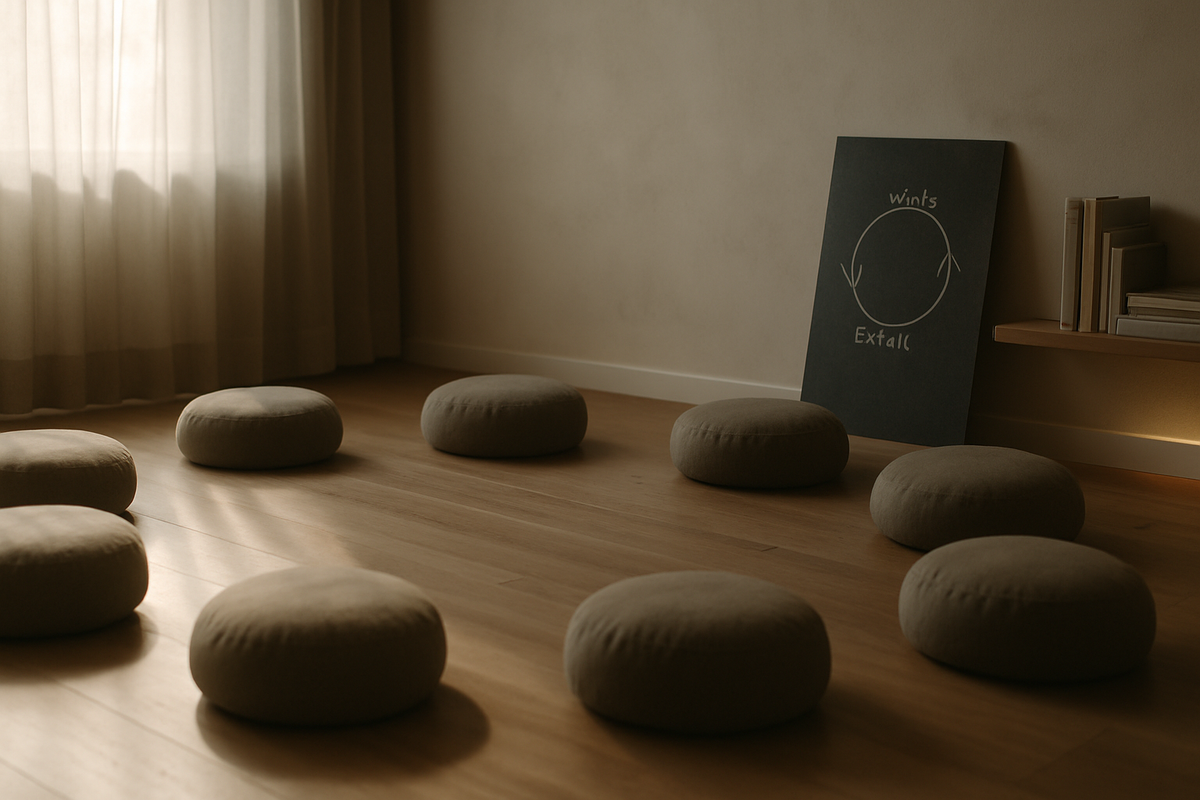
A practical approach is to build a sequence of asanas and pranayama that concludes ten to fifteen minutes before the end of class. Even ten minutes of meditation will give students a taste of profound stillness, and this structure allows the physical practice to naturally prepare the body and mind for seated or supine meditation. There are also countless micro-opportunities to weave mindfulness throughout: inviting students to set an intention at the beginning, cueing attention to breath during transitions, or encouraging non-judgmental awareness of sensations during challenging holds.
A subset of teachers have begun offering what they call "mindful yoga," applying traditional Buddhist mindfulness teachings to asana practice as a way to bolster presence and awareness both on and off the mat. This approach treats every moment of class as a mindfulness practice rather than reserving contemplation for a final seated segment.
Off-Mat Integration: Teaching the Yamas, Niyamas, and Daily Micro-Practices
Discussions around practical strategies for teaching yoga beyond physical practice are heating up in 2026, with many instructors pointing to the need for awareness and community involvement. Among the ideas gaining traction is leading by example and explicitly teaching the yamas and niyamas, the ethical and personal observances that form two of yoga's eight limbs. Experts estimate around 60% of yoga studios will integrate service projects or workshops focused on implementing ethical principles within the next year, a direction likely to nurture a sense of belonging and purpose among practitioners.
Instructors are also promoting simple, relatable actions students can implement outside the studio: noticing breath when stressed, paying attention to reactions instead of judging them, or trying short daily meditations. Teachers are inspiring students to practice mindful eating, walking, or breathing exercises, techniques that encourage consistency and help students carry mindfulness beyond the mat. The goal is to make yoga a lifestyle framework rather than a 60-minute weekly class.
Survey data shows that most practitioners (61.6%) already meditate daily, with 10 to 20 minutes the most common session length and morning practice dominating (64.6%). Community support (25.0%) remains the most desired form of assistance, followed by daily reminders (20.8%). These preferences suggest that teachers who build accountability structures, peer groups, or simple SMS check-ins may see higher adherence than those who simply assign homework.
The Credentialing Dilemma: What to Look For in Meditation Teacher Training
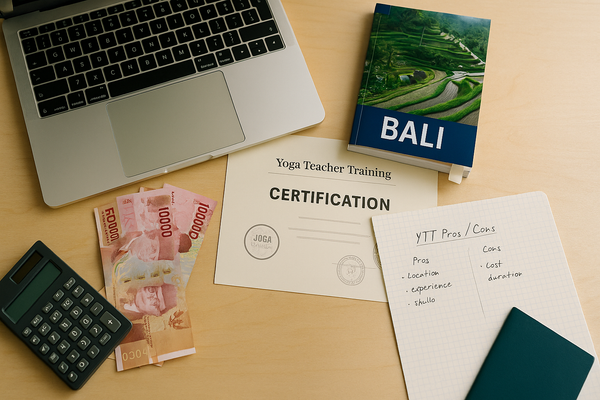
Demand for mindfulness teachers is rising as meditation becomes integrated into mainstream wellness systems, corporate programs, and clinical settings. This creates both opportunity and pressure for yoga instructors to deepen their competency. However, meditation teacher training remains an unregulated field, meaning anyone can offer certification. This makes it especially important to thoroughly research both facilitators and program structure before enrolling.
High-quality programs now emphasize genuine multi-tradition literacy, with curriculum spanning Buddhist, Hindu, Taoist, secular, and somatic approaches alongside dedicated modules on pedagogy, ethics, trauma-informed teaching, and the practical realities of building a teaching life. The International Mindfulness Teachers Association (IMTA) is a key credential for those in the secular mindfulness space, signaling a high level of professional and ethical training. Programs designed for yoga teachers who want to weave meditation more intentionally into their classes typically explore breathwork, concentration techniques, mindfulness, and yogic philosophy alongside practical teaching methods.
There is also a growing belief that meditation must move away from personality-led teaching and toward institution-led education, because responsibility requires structure. This perspective suggests that teachers should seek programs affiliated with established contemplative centers, universities, or lineages rather than solo instructor certifications, especially if they plan to work in clinical, corporate, or other institutional settings.
What This Means for Studio Owners
Editorial analysis — not reported fact:
If you are running a yoga studio in 2026 and still positioning your offering primarily around physical fitness or flexibility, you are likely out of step with what students are seeking. The data is unambiguous: emotional balance, stress reduction, and contemplative practice now drive enrollment more than aesthetic or athletic goals. This is not a niche market. With meditation use more than doubling over the past two decades and the Surgeon General spotlighting workplace stress, the demand is mainstream and growing.
The shift from "not enough time" to "too many distractions" as the top barrier suggests that your students need more than a guided relaxation at the end of class. They need tools for managing overstimulation, practices that help them regulate their nervous systems in real time, and community structures that support daily practice. Consider whether your schedule includes dedicated meditation or breathwork sessions, whether your teachers are trained to teach these modalities with depth and cultural sensitivity, and whether you are creating off-mat touchpoints such as practice groups, online check-ins, or service projects.
The credentialing landscape is a double-edged sword. The lack of regulation means you must vet teacher training programs carefully, but it also means there is room for innovation and differentiation. If you invest in high-quality meditation teacher training for your staff—programs with multi-tradition literacy, trauma-informed pedagogy, and recognized credentials like IMTA—you can position your studio as a serious resource for mental health and resilience, not just a fitness option. Given that an estimated 60% of studios will integrate ethical and community-focused programming within the next year, early movers in this space may capture both student loyalty and referral partnerships with employers, therapists, and wellness programs.
Sources & Further Reading
- National Institutes of Health: Meditation and Mindfulness—What You Need to Know — federal data on meditation use among US adults from 2002 to 2022
- Mindbodygreen 2026 Meditation Statistics — survey data on practitioner motivations, barriers, session length, and support preferences
- US Surgeon General: Workplace Well-Being — public health framework identifying workplace stress and burnout as national concerns
- Yoga Journal: Breath Regulation as a Wellness Trend — overview of breathwork's rise in digital platforms, therapy, and corporate wellness
- National Center for Biotechnology Information: Breathwork and Heart Rate Variability — research on physiological effects of yoga breathwork
- Trauma-Sensitive Yoga: PTSD Research Summary — evidence on yoga's impact on PTSD symptoms
- Yoga Journal: Why Mindfulness and Meditation Are Essential in Yoga Class — guidance on integrating meditation into asana-based teaching
- Yoga International: How to Teach Meditation in Yoga Class — practical sequencing and timing strategies
- Yoga Alliance: Off-Mat Practice Trends — data and analysis on service projects, ethical teaching, and lifestyle integration
- Lion's Roar: Meditation Teacher Training Is Unregulated—What to Know — guidance on vetting programs and understanding credentialing landscape
- International Mindfulness Teachers Association (IMTA) — professional association and credentialing body for secular mindfulness teachers
Editorial coverage of publicly reported industry developments. Yoga Studio Insider has no commercial relationship with any companies named.