How to Reduce No-Shows at Your Yoga Studio in 2026
US studios now enforce 2-4 hour cancellation windows and $5-25 fees. Automated reminders cut no-shows 29-40%, while waitlist automation boosts attendance 30%.
Key Takeaways
- No-shows threaten razor-thin margins: Yoga studios typically operate at 20-30% profit margins, and when half your booked slots sit empty, class revenue can drop 50% while fixed costs like rent remain unchanged.
- US studios standardized no-show policies in 2025-2026: Most now require 2-4 hour advance cancellation, charge $5-25 late fees, and tier penalties by membership type, with studios like Yogamaya, Real Hot Yoga, and Revel Yoga rolling out or tightening policies since January 2026.
- Automated reminders cut no-shows 29-40%: Studios using SMS and email reminders at 24 hours and 1 hour before class see dramatic drops in absences, with some reporting 75% reductions after adding small financial penalties.
- Waitlist automation turns cancellations into revenue: Properly implemented waitlists can increase class attendance by up to 30% by instantly filling cancelled spots, converting lost revenue into bookings within seconds.
- Pre-booking payment and limited booking windows work: Charging or deducting credits at reservation time, rather than at the door, creates psychological commitment; restricting bookings to 48-72 hours ahead reduces the fade in enthusiasm that drives no-shows.
Why No-Shows Now Threaten Studio Survival
The arithmetic is unforgiving. A studio charging $20 per class with 20 people generates $400 from one session, but a yoga studio sells a finite inventory within fixed time slots. Once the floor is full, there is no additional inventory to sell until the next class. When only 10 students show instead of 20, revenue falls by half while rent, utilities, and instructor pay do not budge.
The pressure intensified through 2025 and into 2026. Many studios saw profit dip despite revenue growth because higher rents, wages, and inflation could not be fully passed on to consumers through higher class prices. Yoga studios typically operate with profit margins between 20-30%, meaning every empty mat erodes already-slim bottom lines. In traditional fitness classes, show rates dip as low as 55-60%, meaning nearly half of booked slots may end up empty.
The New Standard: Policy Rollouts Across US Studios
Between late 2025 and early 2026, a wave of boutique yoga studios rolled out or reinforced no-show policies, signaling a shift from informal norms to formalized enforcement. Yogamaya Studio implemented a policy effective January 1, 2026, requiring cancellations at least 2 hours before class. Late cancellations or missed classes result in loss of class credit for pass holders or a $5 no-show fee for unlimited members.
Real Hot Yoga requires cancellation at least 2 hours before most classes, with late cancellations potentially resulting in a no-show fee of $10-20 depending on membership type. Revel Yoga in the Portland area requires cancellations at least 3 hours before class and enforces a strict $20 fee for late cancellations or no-shows. Portland Yoga Project has a 2-hour late cancellation window with a $5 charge for members and intro students.
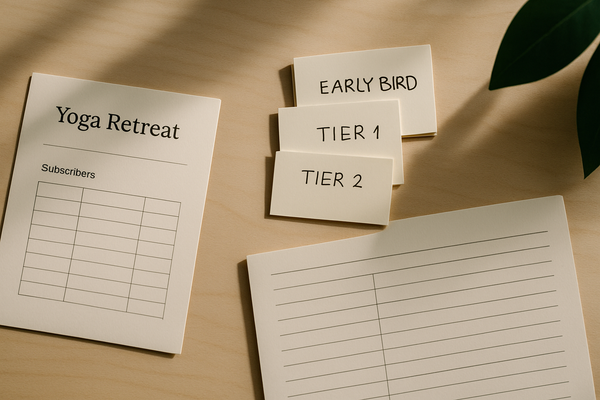
The policy architecture follows a consistent pattern: 2-4 hour cancellation windows, tiered fees by membership level, and escalating consequences for repeat offenders. Industry best practice calls for 12-24 hour cancellation windows for group classes, with small fees for late cancellations and bigger fees for no-shows, plus potential booking blocks after repeated no-shows.
Fee Structures and Behavioral Economics
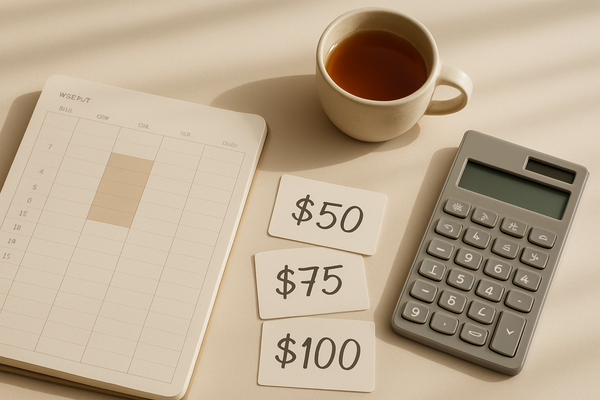
The financial penalty need not be large to change behavior. Adding even a small fee for late cancellations or no-shows causes absences to drop hard; in one case, absences fell by 75% after introducing simple penalties. Boutique studios in major markets show wider variation: Barry's charges a $20 no-show fee for cancellations not made within 12 hours, while CorePower charges $15 with a 2-hour cancellation window.
A sensible cancellation policy typically includes a 24-48 hour window for free cancellation, a late cancellation fee (typically 50% of class value) for cancellations inside the window, a full no-show charge, and automated waitlist fill. The psychology is simple: once clients have paid or used a credit at booking, not showing feels like losing something rather than just skipping.
The Technology Stack That Actually Reduces No-Shows
Policy alone is insufficient. The single most effective intervention is automation. Studios using automated email and push notification reminders see 35-40% fewer no-shows, with reminders sent at 24 hours before (confirming booking and allowing time to cancel) and 1 hour before (a final nudge). A PubMed review of 29 studies found automated reminders produce a 29% improvement in non-attendance rates.
The reminder cadence matters. Healthcare studies found that SMS reminders reduced no-shows by 38% compared to when no reminders were sent. The ideal sequence is a confirmation at booking, a 24-hour reminder allowing cancellation, and a 1-hour final nudge.
Waitlist Automation Converts Cancellations to Revenue
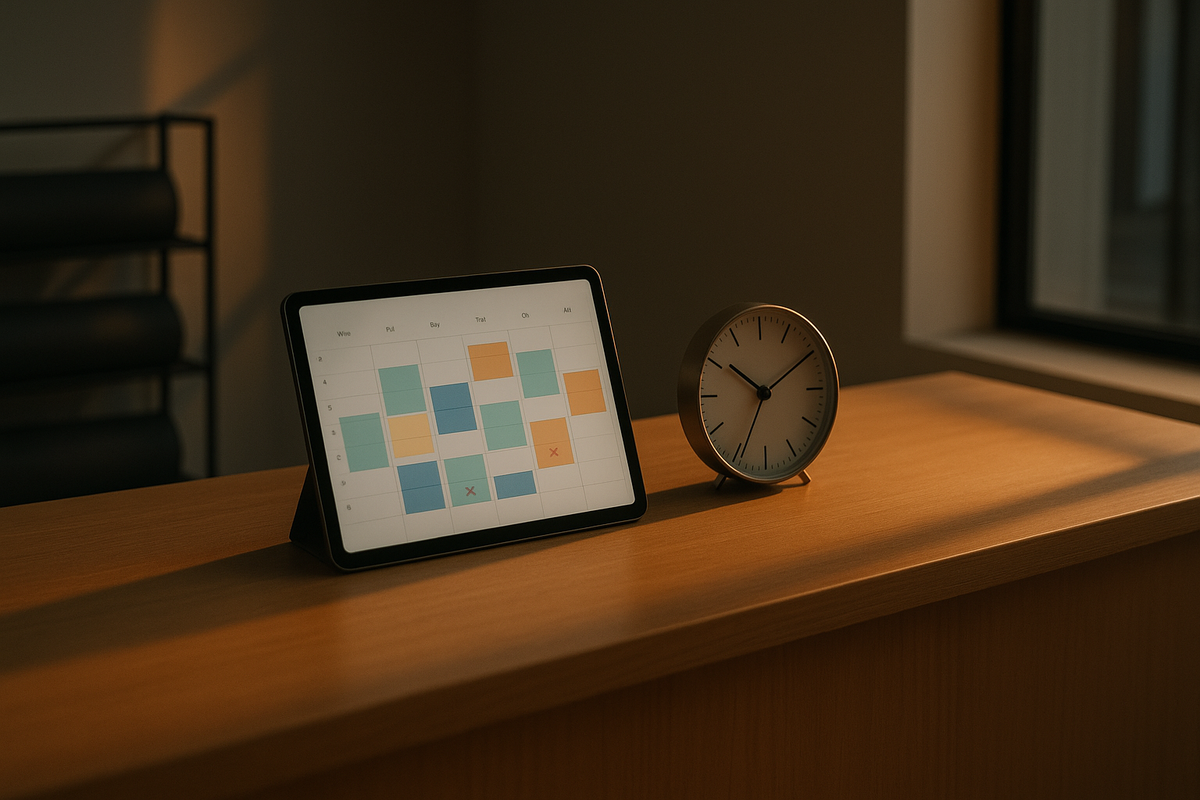
Waitlists are underused; when implemented well, they can increase class attendance by up to 30% by ensuring every cancellation becomes someone else's opportunity. The mechanics are straightforward but require software: when a client cancels, the system instantly releases the spot, notifies the next waitlisted client, and fills the booking within seconds rather than hours.
Making cancellation easy through a client app or online portal actually reduces no-shows because clients cancel early instead of just not showing up, freeing the spot for someone on the waitlist. This paradox is key: friction in the cancellation process does not prevent no-shows; it only delays notification until it is too late to fill the slot.
Pre-Booking Payment and Booking Windows
Charging or deducting credits at booking (not at the door) is a strong behavioral lever; once a client has paid or used a credit, not showing feels like losing something rather than just skipping. This shifts the psychological frame from passive omission to active loss.
Limiting how far ahead clients can book reduces no-shows because excitement fades and life happens over time; only allowing booking within the next 48-72 hours works better. Studios implementing these systems see results quickly. Studios implementing automated booking and reminder systems see 30% reductions in no-shows within 30-60 days, with scheduling and reminder automations showing results almost immediately.
Implementation Strategy for Studio Operators
A phased rollout minimizes client friction and staff burden. Start with the lowest-hanging fruit: automated reminders via SMS and email. Most modern booking platforms include this functionality, and the 29-40% reduction in no-shows requires no policy change or client education beyond opt-in for text messages.
Next, codify and communicate a clear cancellation policy. Framing the policy as preventative rather than punitive, noting high demand for small class sizes, helps convey that no-shows are inconsiderate to teachers and members, limit others from participating, and disrupt the community. Transparency matters: post the policy on your website, in booking confirmation emails, and on signage at the studio.
Layer in waitlist automation once the cancellation policy is stable. This requires minor workflow adjustments but immediately converts cancellations into revenue rather than empty mats. Finally, explore pre-booking payment or credit deduction and restricted booking windows if no-show rates remain above 10%.
Software Selection Considerations
Yoga studios need booking and scheduling software that can coordinate class calendars, instructor availability, room capacity, private sessions, workshops, member profiles, automated reminders, waitlists, and payments. Glofox is built for capacity-based classes to run caps, waitlists, and late cancel rules; its branded member app can reduce booking friction; and memberships and class packs tie cleanly to payments. Other major platforms include Mindbody, WellnessLiving, Zenamu, and Acuity Scheduling.
The Cultural Frame: Community Protection, Not Punishment
No-show policies can feel punitive if poorly communicated. The most successful studios frame enforcement as community stewardship. Small class sizes are a selling point for boutique yoga, but scarcity only works when demand matches supply. A client who books and does not show takes a spot from someone on the waitlist and undermines the instructor's ability to plan energy and sequencing.
Engaging students directly to discuss questions or concerns about policies and encouraging feedback fosters trust and opens lines of communication. Studios that invite dialogue and adjust policies based on feedback see higher compliance and less resentment. The message is simple: these rules exist to protect the community experience you value, not to extract fees.
What This Means for Studio Operators
Editorial analysis, not reported fact:
If your studio still relies on honor-system cancellations and has no automated reminder flow, you are leaving 30-40% of potential attendance on the table. The 2026 cost environment does not forgive that margin loss. The question is not whether to implement no-show policies and automation, but how quickly you can phase them in without alienating your most loyal members.
Start with reminders and clear communication this month. Add waitlist automation within the next quarter. Reserve punitive fees and booking restrictions for repeat offenders and high-demand time slots. The goal is not to monetize cancellations but to fill every mat, every class. When clients understand that your policy protects their ability to book the 6:00 AM slot they love, compliance becomes cultural rather than coerced.
Sources & Further Reading
- WellnessLiving: Should Your Yoga Studio Charge No-Show Fees?, industry best practices and fee structures
- Glofox: Understanding Gym No-Show Rates, behavioral impact of cancellation policies
- MyFitHive: Stop Appointment No-Shows at Your Fitness Business, automated reminder statistics and waitlist strategies
- Yogamaya Studio: No-Show & Late Cancellation Policy, example of January 2026 policy implementation
- Dojo Business: Yoga Studio Market Trends, 2026 automation adoption and ROI data
- Yen Feng: Behind True Yoga's Collapse, analysis of cost pressures and margin erosion in 2025-2026
Editorial coverage of publicly reported industry developments. Yoga Studio Insider has no commercial relationship with any companies named.