Breathwork Strategy for Yoga Studios: The 2026 Playbook
Standalone breathwork is viable in 2026, but only with the right business model. How to integrate pranayama, build off-mat retention, and navigate cultural integrity.

Key Takeaways
- Standalone breathwork classes (20–30 minutes) are now viable offerings, working best as workshops, digital add-ons, or corporate wellness contracts rather than drop-in formats where economics rarely pencil out.
- Mental wellness is the primary driver of yoga participation in 2026, with consumers seeking stress relief, emotional regulation, and nervous system reset over physical fitness alone.
- Integration pedagogy remains the sticking point: teachers face real questions about breath-cueing autonomy versus prescriptive instruction, with emerging debate over whether rigid breath control enhances or disrupts natural homeostasis during movement.
- Off-mat breathwork is the retention lever studios underuse: simple, portable breath practices between classes build consistency and stickiness without requiring equipment or time commitments.
- Teacher training accessibility is high (certifications now available from $395), but confidence in classroom integration and business modeling lags behind technical skill.
- Cultural translation tension persists: rebranding pranayama as "breathwork" increases accessibility but raises questions about acknowledging the cultural and philosophical origins of these techniques.
Why Breathwork Became a Standalone Service in 2026
In 2026, mental wellness is one of the main reasons people practice yoga. As daily life becomes faster and more digitally saturated, consumers increasingly seek yoga not just for physical fitness but for mental clarity, emotional regulation, and stress relief. This shift has broadened yoga's appeal beyond fitness enthusiasts to include corporate professionals, students, healthcare workers, and others facing high-stress environments.
Breathwork has become a standalone offering, with 20–30 minute pranayama or breath-focused sessions growing in popularity. For studios, these classes work well as workshops, digital add-ons, or corporate wellness offerings. They are low-impact, scalable, and aligned with stress-management needs. More people are realizing that conscious breathing alone can cultivate calm, clarity, and vitality without needing to engage in a full asana sequence.
The Business Model Reality: Why Most Breathwork Teachers Struggle to Earn
Earning revenue from breathwork as a standalone service requires different economics than traditional yoga classes. The average U.S. breathwork coach earns roughly $41,000 per year, and the gap between those who earn a living and those who don't comes down to business model, not breathing technique.
A brilliant teacher running $25 drop-in classes will always earn less than a decent teacher with a $3,000 corporate contract. That's the economics of a service business: your skill gets you in the room, but your business model determines what happens to your bank account. Teachers earning a sustainable income almost never rely on a single revenue stream. They stack two or three models that reinforce each other, such as combining group classes with corporate sessions and digital memberships.
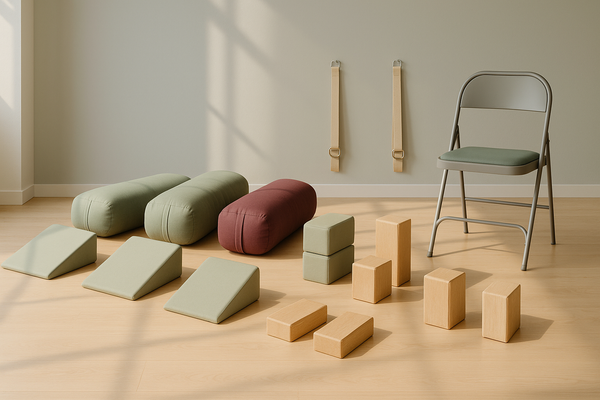
Corporate sessions range from just 5–25 minutes, designed specifically for busy schedules, combining breath awareness for focus, chair yoga to release tension, and body scan meditation. This format represents a major growth area for studios willing to adapt their service delivery.
Integration Into Classes: Where Pedagogy Meets Student Autonomy
Meditation and breathwork are being integrated into regular yoga classes through longer pauses, guided awareness, and extended rest. But teachers face real questions about how to do this effectively. Studios are encouraged to incorporate breathwork exercises as transitions between asanas or dedicate specific portions of classes to focused breathwork sessions, observing and adapting to the needs of students and gradually introducing more advanced techniques as their practice deepens.
A growing debate has emerged about dogmatic breath-cueing versus student autonomy. One recent article questions whether controlled breath enhances or disrupts natural homeostasis during yoga, with a physiotherapist emphasizing the balance between breath and movement and individual variability. The article encourages mindful observation over rigid breath control, signaling a shift toward respecting each student's respiratory patterns rather than imposing universal prescriptions.
To build confidence, teachers are being trained in essential skills like exhale extension, diaphragmatic awareness, and effective breath cueing through research-backed breathwork training programs designed to elevate both personal practice and teaching ability.
Teacher Training Proliferation and the Confidence Gap
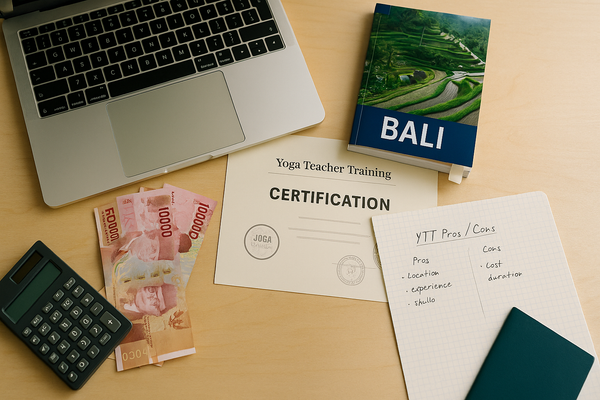
Multiple accredited breathwork certifications now exist, including LOKA Method, SOMA Breath, Oxygen Advantage, Arhanta, and programs from educators like Isabel Tew and Jason Crandell. Becoming a certified breathwork teacher no longer requires thousands of dollars or months to complete, with accessible training options starting at $395 for immediate access to comprehensive curriculum and bonus content.
Training accessibility is high, but teachers often lack confidence integrating breathwork into existing class structures and translating technical skill into viable business models. The gap between certification and classroom application remains a persistent challenge in 2026.
Off-Mat Practice: The Retention Lever Studios Underuse
This is where studios can build real stickiness. Short breathwork exercises, simple movement cues, and occasional affirmations help members stay connected to the practice between classes. Done well, these small moments support consistency without turning yoga into constant consumption.
When practitioners establish mindful moments on the mat, over time this trickles into daily life. Students begin to notice that frustrations affect them less, or that bringing awareness to breath during workplace stress creates moments of calm. Your breath is the most portable part of your practice, requiring no mat, studio, or hour commitment—only a few conscious inhales and exhales. When stress rises, deepen the breath; when the mind races, slow it down. Try inhaling through the nose for four counts, exhaling for six. This lengthened exhale calms the nervous system and grounds practitioners back into presence.
Cultural Translation: The Pranayama-to-Breathwork Debate
As breath-based practices become mainstream, a key conversation emerging in wellness and academic communities concerns cultural translation. While rebranding pranayama as breathwork may increase accessibility, some scholars emphasize the importance of acknowledging the cultural and philosophical origins of these techniques. The future of breath practice may lie in integrating scientific validation with cultural context.
This creates a real tension that studio owners and teachers must navigate. Accessibility and cultural integrity need not be mutually exclusive, but they require intentional framing. Studios that name pranayama's roots while teaching accessible techniques position themselves as both contemporary and respectful.
Digital and Corporate Expansion: Where the Market Is Moving
Specialized programs like prenatal yoga, meditation, and breathwork are now standard studio offerings in 2026. Pairing breathwork with meditation deepens the practice: a short guided breathwork session before stillness helps people settle into their bodies, making meditation more accessible. This integration is often found in yoga class environments, wellness retreats, and modern teacher training programs.
Corporate wellness represents a major growth area. The format is designed for busy schedules, with sessions as brief as five minutes delivering immediate value. Studios able to package breathwork for workplace delivery tap into higher-revenue contracts and broader reach than traditional drop-in models allow.
What This Means for Studio Owners
Editorial analysis—not reported fact:
If you're operating a yoga studio in 2026, the breathwork opportunity is not about adding one more class to the schedule. It's about recognizing that your students are coming to you for nervous system regulation, not just hamstring flexibility. The studios thriving in this environment are those treating breathwork as infrastructure, not novelty.
Operationally, this means three moves. First, train your existing teachers in confident breath integration so every class delivers the mental wellness benefit students now expect. Second, build a standalone breathwork offering with a business model that works: corporate contracts, premium workshops, or digital memberships, not $20 drop-ins that exhaust teachers. Third, give students portable practices they can use between sessions. A two-minute breath reset emailed Monday morning does more for retention than another Instagram post.
On the cultural integrity question, the answer is not to avoid the term pranayama but to use both. "Breathwork rooted in pranayama" communicates accessibility and respect. Your students can handle nuance; in fact, many prefer it. The ones seeking deeper practice will appreciate that you're not scrubbing the lineage for marketing convenience.
Finally, if you're hesitant because you're not a breathwork expert, remember that your students are not experts either. They need a guide who can teach a four-count inhale and a six-count exhale with confidence and kindness. Start there. Mastery can follow, but your community needs the basics now.
Sources & Further Reading
- Mental wellness as a primary driver of yoga participation in 2026 — research on shifting consumer motivations toward stress relief and emotional regulation
- The rise of standalone breathwork sessions (20–30 minutes) — market analysis of pranayama and breath-focused class formats
- Average U.S. breathwork coach earnings and business model challenges — income data and revenue stream analysis
- Corporate breathwork programs and delivery formats — how studios are adapting breathwork for workplace wellness contracts
- Debate over rigid breath control versus student autonomy — physiotherapist perspective on breath and movement balance
- Research-backed breathwork teacher training programs — skills like exhale extension, diaphragmatic awareness, and cueing
- LOKA Method Breathwork Training certification — accessible certification options starting at $395
- Off-mat mindfulness and portable breath practices — strategies for helping students maintain practice between classes
- Breath as the most portable part of yoga practice — simple techniques for stress management in daily life
- Cultural translation and the pranayama-to-breathwork debate — scholarly perspectives on acknowledging origins of breath techniques
- Specialized yoga programs including meditation and breathwork — industry overview of standard studio offerings in 2026
Editorial coverage of publicly reported industry developments. Yoga Studio Insider has no commercial relationship with any companies named.