Beginner Yoga Retention: Styles, Setup & Early Wins 2026
34% of beginners quit within six months. Learn which styles, home setups, and early wins drive retention as the North American market grows at 9.3% CAGR.
Key Takeaways
- Beginner dropout rates remain high: Approximately 34% of new yoga students discontinue practice within the first six months due to lack of guided supervision and structured progression, representing a significant retention opportunity for studios.
- Hatha and restorative styles offer the strongest beginner foundation: Hatha yoga's focus on static poses (30-60 seconds per posture) teaches proper alignment, while restorative practices reduce stress hormones by up to 23% and address the nervous-system regulation that 2026 students prioritize.
- Ten-minute daily practice outperforms weekly 90-minute sessions: Research shows that brief, consistent home routines (10 minutes daily or 15-30 minutes 2-3 times weekly) build habit and confidence more effectively than infrequent longer classes.
- In-person instruction drives better alignment outcomes: Around 67% of beginners prefer studio sessions because direct supervision improves posture alignment and reduces injury risk, even as online platforms serve 33% seeking flexible scheduling.
- Early physical wins fuel retention: Flexibility gains appear within weeks, and most beginners report feeling calmer and more energized after just a few sessions, making tangible progress markers essential to onboarding strategy.
- Market growth favors studios that solve beginner barriers: North American yoga is growing at 9.3% CAGR through 2033, yet traditional studio environments—often perceived as intimidating, expensive, or aesthetic-focused—exclude seniors, beginners, and diverse communities, creating demand for inclusive beginner programming.
Why Beginner Retention Matters More Than Ever in 2026
With over 36.7 million Americans practicing yoga and the North American market growing at a 9.3% compound annual rate through 2033, new-student onboarding has never been a larger revenue lever for studios. Yet approximately 34% of beginners quit within six months, citing lack of guided supervision and inconsistent training quality.
The opportunity is clear: studios that design structured, beginner-friendly pathways can capture a larger share of the 78% of wellness-focused consumers now integrating yoga into weekly routines, particularly the 59% of 18- to 45-year-olds who prefer yoga for flexibility and stress reduction. In 2026, the modern student arrives not to master arm balances but to regulate a fried nervous system, and programming must reflect that shift.
Which Yoga Styles Work Best for Absolute Beginners
Hatha yoga remains the gold-standard entry point. Classes focus on static poses held for 30 to 60 seconds, giving beginners time to learn alignment cues and coordinate breath with movement. Sessions typically run 60 to 90 minutes, allowing gradual strength and flexibility development without the tempo pressure of vinyasa flow.
Restorative and gentle yoga address the regulation priority head-on. According to 2026 research from Harvard Medical School, these slower-paced styles reduce stress hormones by up to 23%. Restore Yoga has become one of the most recommended styles for stress, fatigue, or busy schedules, using supported poses and mindful breathing to promote calmness and reduce physical tension. Studios now feature yin, sound healing, and fascial rolling alongside traditional asana, recognizing that recovery is training and gentle movement improves circulation, sleep, and emotional resilience.
The Superclass Yoga guide concept, which blends elements from multiple disciplines into structured learning experiences, has gained traction among 2026 beginners seeking clarity in a fragmented style landscape.
Home Practice Setup: Small Spaces, Big Consistency Gains
Research shows that 10 minutes of yoga daily outperforms 90 minutes practiced once a week. For studios, this insight should shape both class recommendations and supplemental content strategy. Beginners who establish a brief home routine between studio visits build confidence faster and churn less.
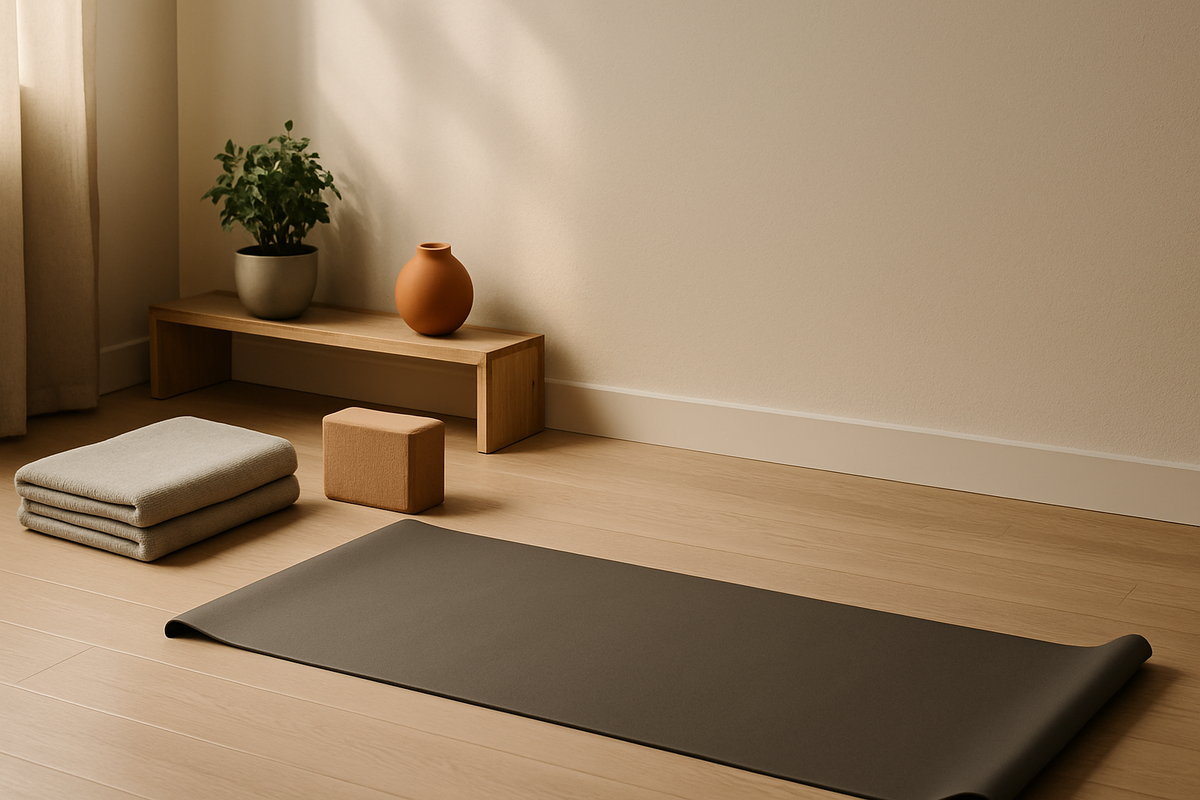
Setting up a home practice requires minimal investment. Creating a dedicated space for a mat and practicing at the same time each day helps establish routine. Starting with 15 to 30 minutes, 2 to 3 times weekly, is enough; consistency matters more than duration.
A true beginner-friendly home routine should move at a slower pace, provide clear verbal cues, offer modifications using household props like chairs or pillows, prioritize joint safety by avoiding advanced inversions or deep backbends, and anchor movement to breath. Expectations need to be realistic: you don't need bamboo floors or statues of Ganesh to practice effectively.
Three Critical Mistakes That Sabotage Beginner Progress
The most damaging early habit is comparison. Instead of focusing on their own experience and body, beginners who compare and push where they're not ready will make a huge mistake, risking injury and discouragement.
Breath mismanagement is nearly universal. Either beginners hold their breath, breathe too fast, or their breathing does not keep up with movement, particularly when entering deep positions. Instructors must cue breath as often as they cue alignment.
The fasting myth persists. Beginners shouldn't buy into the notion that they must fast or wait 3 to 4 hours after eating; having a light snack an hour before class often improves focus and energy.
In-Person vs. Online: What the Data Show for Beginner Outcomes
Around 67% of beginners prefer in-person sessions because direct supervision improves posture alignment and reduces injury risk. Fitness studios and wellness centers contribute nearly 58% of organized yoga participation globally, making them the primary distribution channel.
That said, online platforms serve a meaningful segment. Certified teachers guide students through live video sessions, while apps and YouTube channels let practitioners move at their own pace, appealing to the 33% who value scheduling flexibility or live far from studios.
Studios can capture both cohorts by offering hybrid onboarding: initial in-person fundamentals courses paired with curated online practice libraries for between-class reinforcement.
Early Wins That Keep Beginners Coming Back
The first change most beginners feel is flexibility, with simple moves like reaching for toes or twisting starting to feel easier after just a few weeks. These small physical markers provide the motivation boost needed to maintain routine.
Many beginners report feeling calmer and more energized after just a few sessions, a mental-wellness benefit that outweighs aesthetics or performance for the majority of 2026 students. Studios that emphasize nervous-system regulation and celebrate non-physical progress—better sleep, reduced anxiety, improved focus—will resonate more deeply than those highlighting Instagram-worthy poses.
Barriers Traditional Studios Must Address to Capture Beginner Growth
Traditional studios and classes often cater to a limited demographic, typically those who are already fit, affluent, or familiar with yoga, excluding seniors, beginners, people with disabilities, and diverse communities. High costs, intimidating environments, and a focus on aesthetics further alienate potential practitioners.
With females accounting for 71.84% of industry revenue in 2025 and the 18- to 29-year-old cohort turning to yoga to manage stress and improve mental well-being while juggling college, work, and personal life, studios that lower financial and psychological barriers—offering sliding-scale pricing, body-diverse marketing imagery, all-levels language, and chairs-and-props modifications—will unlock underserved segments.
What This Means for Studio Owners
Editorial analysis—not reported fact:
The 34% six-month dropout rate is not a beginner problem; it's a programming and messaging problem. Studios that launch structured beginner pathways—multi-week fundamentals courses, weekly gentle or restorative anchor classes, and curated 10-minute home-practice videos—will convert tentative first-timers into retained monthly members. Market the outcome (nervous-system calm, better sleep, less tension) rather than the pose catalog.
Invest in teacher training that emphasizes breath cueing, modification offerings, and psychological safety. A single comparison-driven or aesthetics-focused comment can end a beginner's yoga journey; conversely, naming a student's progress ("Your shoulders dropped two inches since last week") builds the early wins that drive retention.
Hybrid models win. Offer an in-person fundamentals intensive (four to six weeks, small cohort, premium-priced) that includes lifetime access to an online practice library. This captures the 67% who need hands-on alignment correction and the 33% who need scheduling flexibility, while creating a high-value product that justifies pricing above drop-in rates.
Finally, audit your studio environment through a beginner's eyes. Is your lobby full of athletic twenty-somethings in luxury activewear? Are your class descriptions jargon-heavy? Do your pricing tiers assume disposable income? The $269.1 billion global opportunity by 2033 belongs to studios that make yoga accessible, not aspirational.
Sources & Further Reading
- Grand View Research: Yoga Market Size, Share & Trends Analysis Report—market sizing, demographics, growth forecasts through 2033, and beginner dropout statistics
- Superclass Yoga: How to Start Yoga in 2026—beginner style recommendations, home practice setup, common mistakes, and consistency research
- Superclass Yoga: Restore Yoga Practice Guide—restorative yoga benefits for stress and recovery
- Superclass Yoga: Gentle Yoga Class Online—nervous-system regulation and recovery-focused practice
- Superclass Yoga: 10-Minute Yoga Routine for Beginners—daily practice research and somatic safety guidelines
- Superclass Yoga: Online Yoga Classes for Beginners—virtual instruction formats and platform options
Editorial coverage of publicly reported industry developments. Yoga Studio Insider has no commercial relationship with any companies named.