Beginner Yoga 2026: Styles, Home Practice & Retention
Nervous system regulation now drives enrollment more than flexibility. Home apps compete with studios. First-visit retention jumped from 48% to 63% with automation.
Key Takeaways
- Nervous system regulation now drives beginner enrollment more than flexibility goals, with restorative and somatic practices emerging as top entry points alongside traditional Vinyasa and Hatha styles in 2026.
- Home practice competes directly with studio attendance, with yoga apps generating custom sequences and eliminating the $15-30 per-class studio cost that pushes many beginners toward living-room practice.
- First-visit retention determines long-term success, with studios using automated beginner series increasing new-student retention from 48% to 63% and cutting no-shows by 18% through structured onboarding.
- Daily 10-minute practices outperform weekly 90-minute sessions for habit formation, requiring only six feet of floor space and making consistency more achievable for time-strapped beginners.
- Professional standards are rising, with trauma-informed and somatic teaching requiring specialized training beyond foundational 200-hour certifications as studios market nervous system regulation classes.
Why Beginners Choose Yoga in 2026
Over 36 million people in the United States now practice yoga, with participation growing nearly 50 percent in the last decade. But the motivation has shifted dramatically. People are no longer coming to yoga just to get flexible; they are coming to get regulated.
The modern student arrives acutely aware that their nervous system is fried. From nervous system regulation to somatic breathwork, bottom-up practices that focus on healing trauma through movement, breathwork, grounding, and sensory techniques are drawing students who previously would have skipped yoga altogether. Many are turning to these regulation practices to heal from chronic stress, grief, and burnout rather than to touch their toes.
Which Styles Actually Work for Beginners
Hatha yoga stands as the most accessible entry point, focusing on basic postures held for 3-5 breaths without complex transitions. Studies from the American Council on Exercise show that 78% of yoga beginners find success with slower-paced styles that emphasize proper alignment and breathing techniques.
While Vinyasa and Hatha remain top drivers, there is surging demand for Restorative and Yin for recovery, HIIT and Hot Yoga for fitness, and niche formats like Aerial or Prenatal yoga. Gentle yoga and restorative yoga help develop body awareness while reducing stress hormones by up to 23% according to 2026 research from Harvard Medical School. Flow Yoga remains one of the most popular beginner classes because it feels natural and engaging.
Home Practice as the New Front Door
For many people in the United States, busy schedules, long commutes, and rising gym costs make home workouts more appealing than ever. Yoga studios can cost anywhere from $15 to $30 per class, making home practice the financially rational choice for beginners testing the waters.
Apps like Down Dog create a new sequence each time, ensuring variety and progression without the repetition of pre-recorded classes. This shift puts studios in direct competition with hybrid digital offerings that deliver instruction wherever students have six feet of floor space.
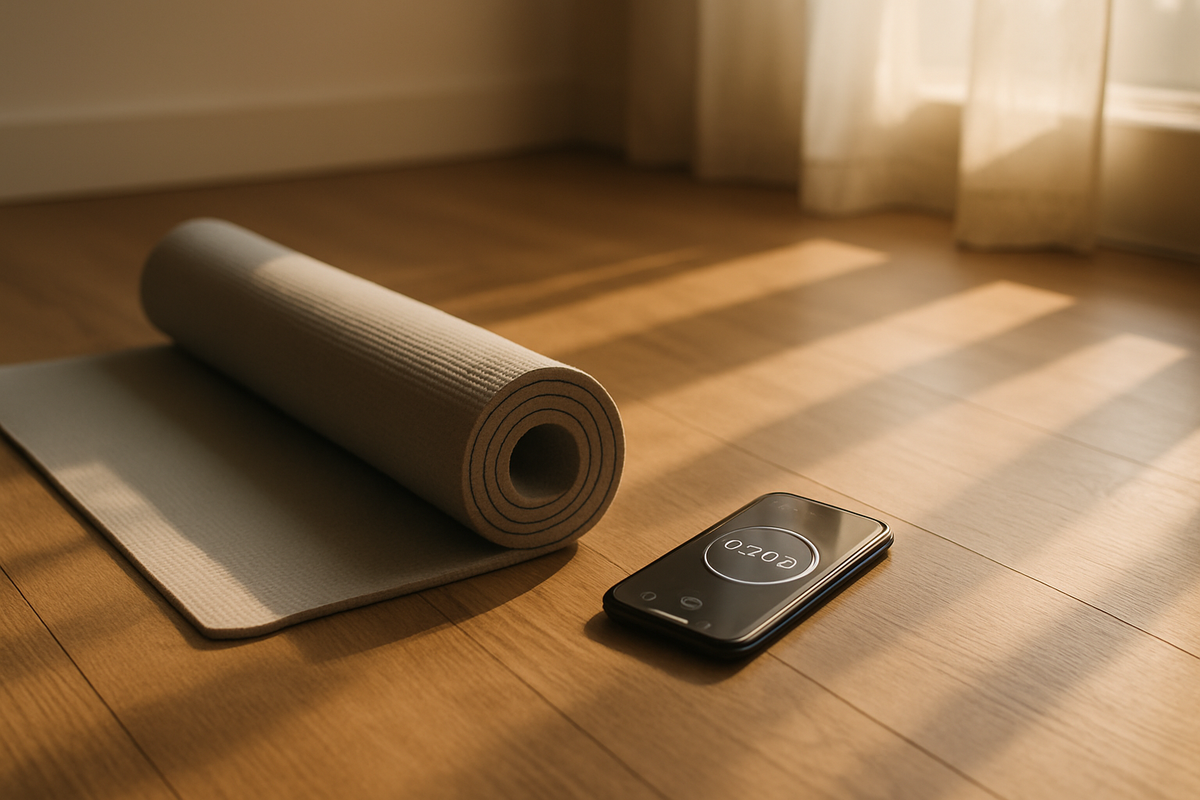
Most yoga mats are about 6 feet long and 2 feet wide. While it's great to have more space, it's quite possible to manage in the space at the foot of your bed or where your coffee table sits when you slide it out of the way. Studies show that 10 minutes of yoga a day is more effective than 90 minutes every week, making micro-practices in small spaces more impactful than marathon sessions.
The Retention Window That Determines Everything
If first impressions are bad, or a student is too intimidated to jump into your program, chances are good that you'll lose them. First visit retention starts with someone's first visit, not when a student shows the warning signs of leaving.
Studios that built six-week beginner series in Mindbody, including automated reminders and waitlist rules, increased new-student retention from 48% to 63% and reduced no-shows by 18%. A series of beginner classes helps new students transition comfortably rather than throwing them into mixed-level drop-ins where they feel lost. Understanding retention psychology for beginners helps instructors anticipate the 90-day drop-off window when novelty fades and practice feels harder.
Breaking the Flexibility Myth
Yoga is for everyone and you don't need gymnast-level flexibility to give it a try. In fact, the reason you do yoga isn't because you're flexible; it's to become more flexible in your body as well as your life. Being flexible is not a requirement to practice yoga, but over time, it's one of the results of a yoga practice.
It's important students understand the goal of yoga is not to look like anyone else, do each posture perfectly, or even achieve a certain level of flexibility. Success is in the individual acceptance, body alignment, internal focus, breath, meditation, flow, and courage to show up and move through the class. To enhance student retention, offering personal advice tailored specifically to each student's needs and providing encouragement throughout each session makes the difference between a student who returns and one who disappears.
Equipment Minimalism for New Students
Start with two pairs of quality leggings in neutral colors like black, navy, or charcoal. Because you'll likely be practicing 2-3 times per week, you want to rotate them so they last longer. Washing and wearing the same pair constantly breaks down the fabric faster.
Invest in a good yoga mat and props to enhance your practice. A high-quality mat provides stability and grip, helping you maintain poses comfortably. Blocks, straps, and bolsters can support your body and prevent strain, making poses more accessible, especially as a beginner. The simplicity of the setup matters: having a small area for your mat helps establish a routine, and practicing at the same time each day builds consistency that soon becomes ingrained.
Rising Standards for Trauma-Informed Teaching
For teachers, standards are rising. In many regions, certifications aligned with the Yoga Certification Board are becoming the professional benchmark for safety and authenticity. With nervous system regulation and trauma work, it's crucial to guide students through the techniques safely and responsibly.
If you want to market your classes as somatic yoga or trauma-informed yoga, consider expanding your skill set with specialized training beyond foundational certifications. The work requires more than cueing poses; it demands understanding of vagus nerve activation, grounding techniques, and how to hold space when students access difficult emotions through movement.
What This Means for Studio Operators
Editorial analysis, not reported fact:
The beginner landscape in 2026 demands studios rethink their onboarding entirely. The student walking through your door is likely comparison-shopping against free YouTube classes and $20-per-month app subscriptions that customize sequences to their schedule. Your competitive advantage is no longer convenience or cost; it's the human connection, individualized feedback, and structured progression that algorithms cannot replicate.
Build your beginner series with automated touchpoints, not just class sequences. The 48% to 63% retention jump from structured onboarding is not about teaching better poses; it's about reducing friction, answering questions before they become barriers, and making the second visit feel inevitable rather than optional. If your studio lacks a formal six-week beginner track with waitlist automation and progress milestones, you are losing half your new students to inertia.
Invest in trauma-informed and somatic training for your teaching team if you plan to market nervous system regulation. Students arrive with real dysregulation, not Instagram wellness aesthetics. Under-trained teachers who use language like "release trauma" without understanding the neurobiology or contraindications risk harming students and exposing your studio to liability. The professional bar has moved, and generic 200-hour training no longer covers what students are asking for in 2026.
Sources & Further Reading
- GloFox Yoga Studio Playbook, January 2026 trends in beginner motivation, home practice adoption, and retention strategies
- One Yoga International: Best Yoga Styles for Beginners, research on Hatha accessibility and American Council on Exercise beginner success rates
- Client Plateaus & Difficult Conversations for Yoga Instructors, retention psychology and the 90-day drop-off window
- The Hidden Math Behind Pilates Client Acquisition in 2026, first-visit-to-second-visit conversion benchmarks and retention windows
Editorial coverage of publicly reported industry developments. Yoga Studio Insider has no commercial relationship with any companies named.